
Kissufim

established

Regional Council

Population (Pre 7/10/2023)

Distance From The Gaza Border

Type Of Community

Economy
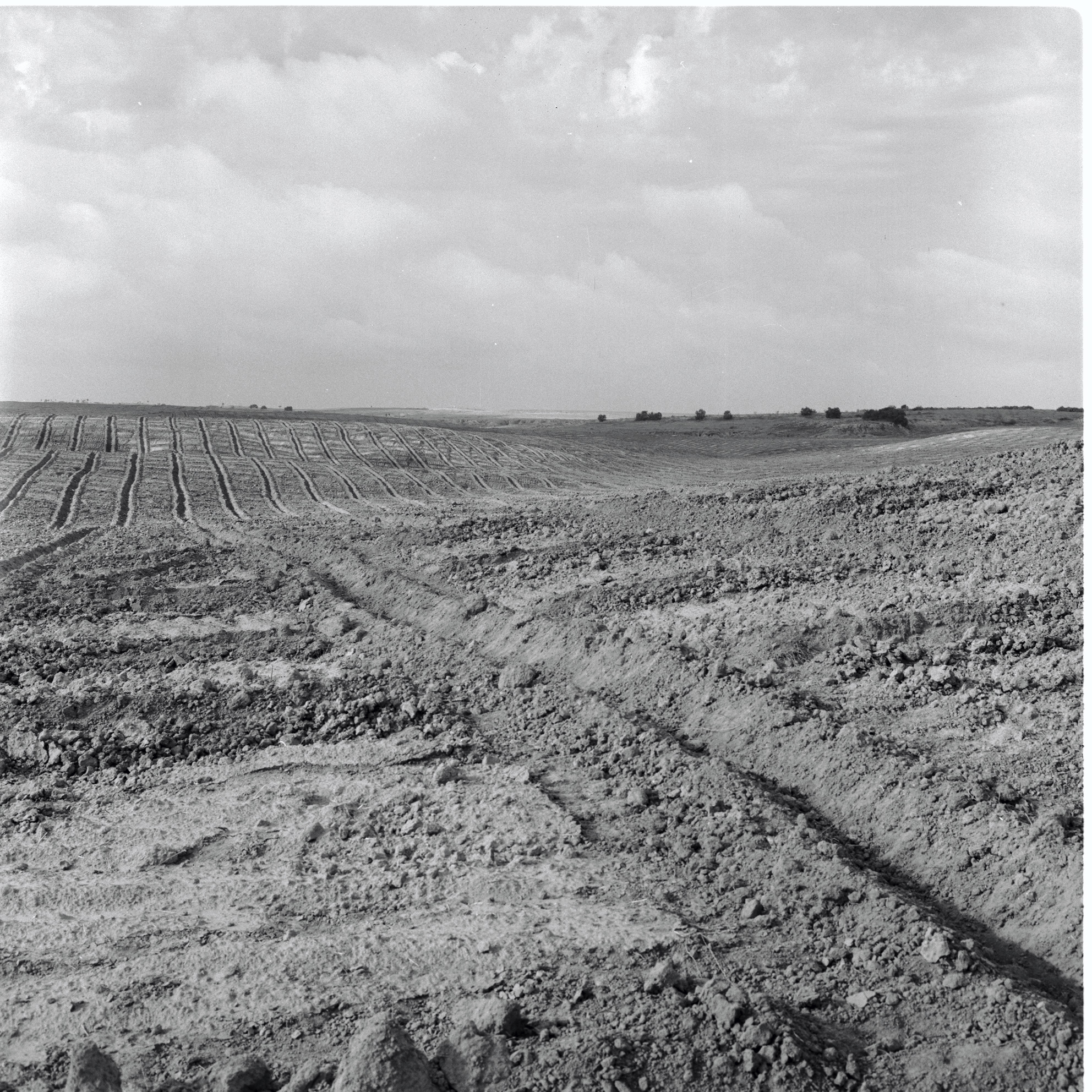
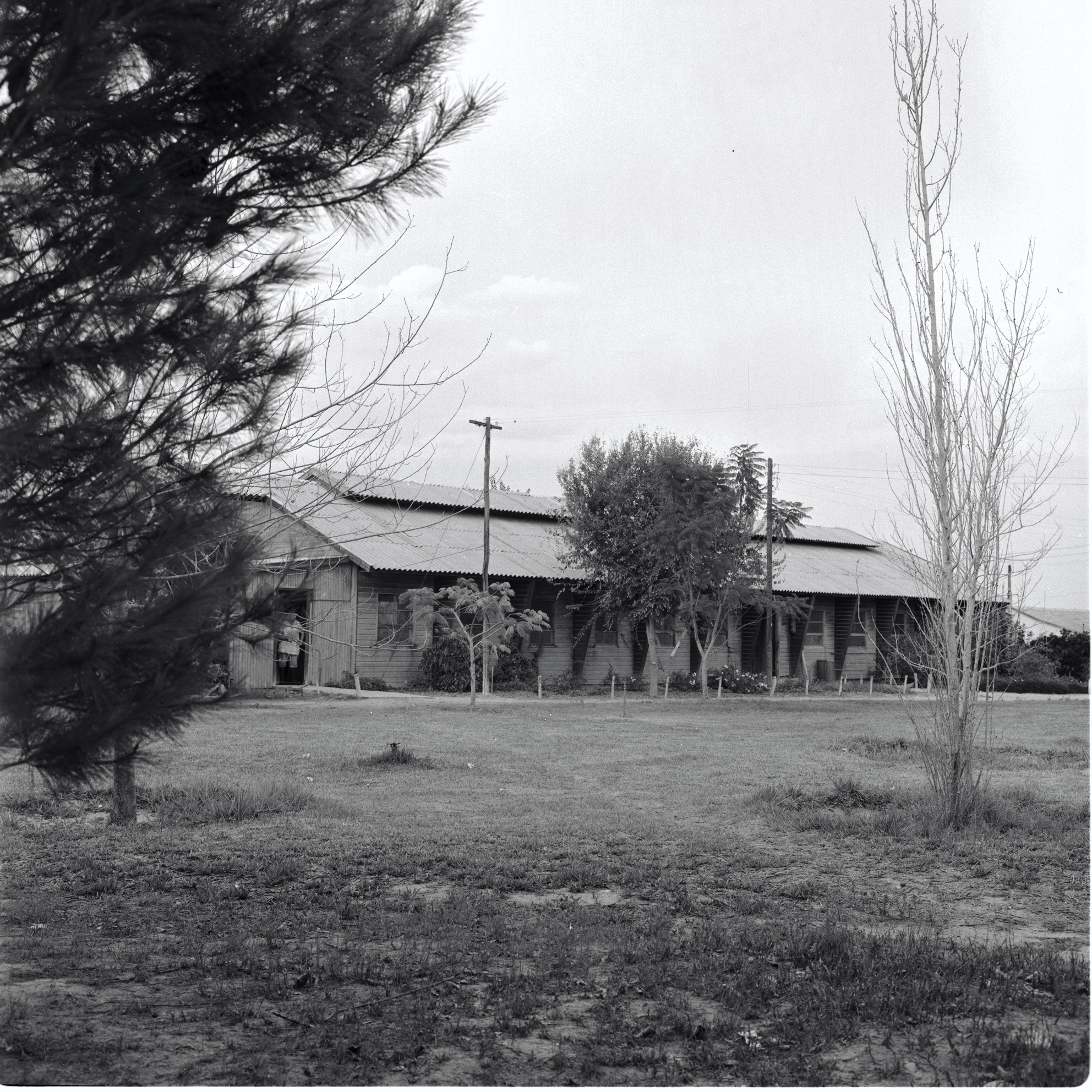
Kibbutz Kissufim (Hebrew for “Yearning”, expressing the founders longing to create a good and fair life in the Land of Israel) was founded in 1951 by members of a youth movement from the United States and South America, and is located in an amazingly beautiful area near Nahal HaShur, among green fields, groves, orchards and carpets of anemones in the lovely winter.
Kissufim is a value-based, cooperative, and multi-generational community based on the principles of equality and democracy. The kibbutz has a secular nature, with an affinity to Jewish culture and heritage, where the Israeli holidays are celebrated together and public events are held such as: commemorating the founding day of the kibbutz, social gatherings and activities, community projects, etc. Within the kibbutz there are a variety of community services such as a mini market, a pub, sports and entertainment facilities, a social club, a library, a pool, a warm home for the elderly, a snooker room and more. In its first decades, a factory for the production of eyeglasses operated here, but now the residents rely mostly on agriculture.
Kissufim was defined as a ‘renewing kibbutz’ based on the ‘safety net’ model, with the construction of a community extension planned. The children enjoyed a rural atmosphere that allowed them to travel and enjoy nature and the environment. The kibbutz also houses the Ami Shaul Museum, and contains archeological items he collected from the surrounding area over the years, mainly from the ruins of Be’er Shema, a Roman-Byzantine village on the incense trade route. Ami’s son, director Dror Shaul, grew up here, and his films “Operation Grandma” and “Crazy Land”, are based on life on the kibbutz.
KKL-JNF and Kibbutz Kissufim

The Events of October 7, 2023
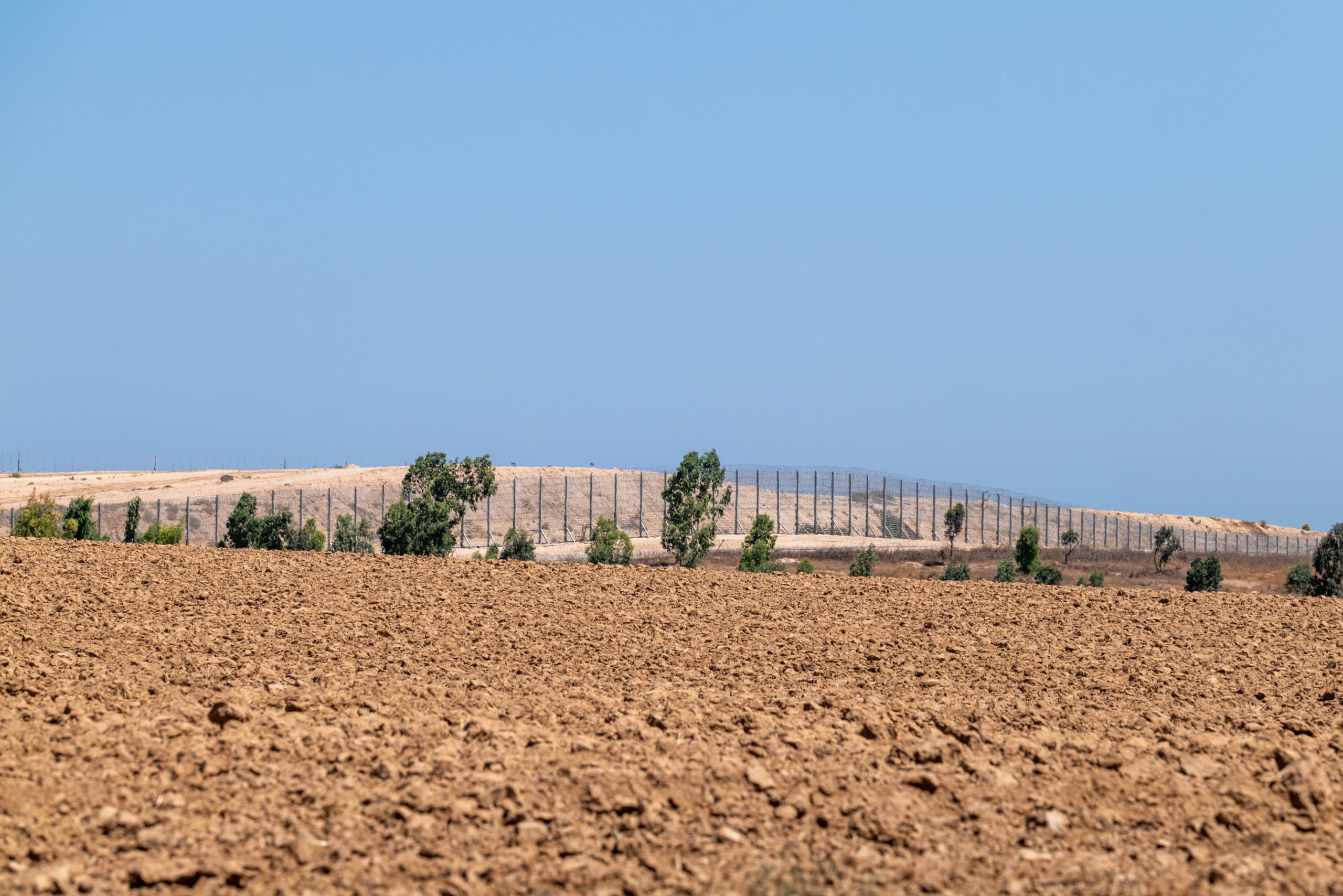
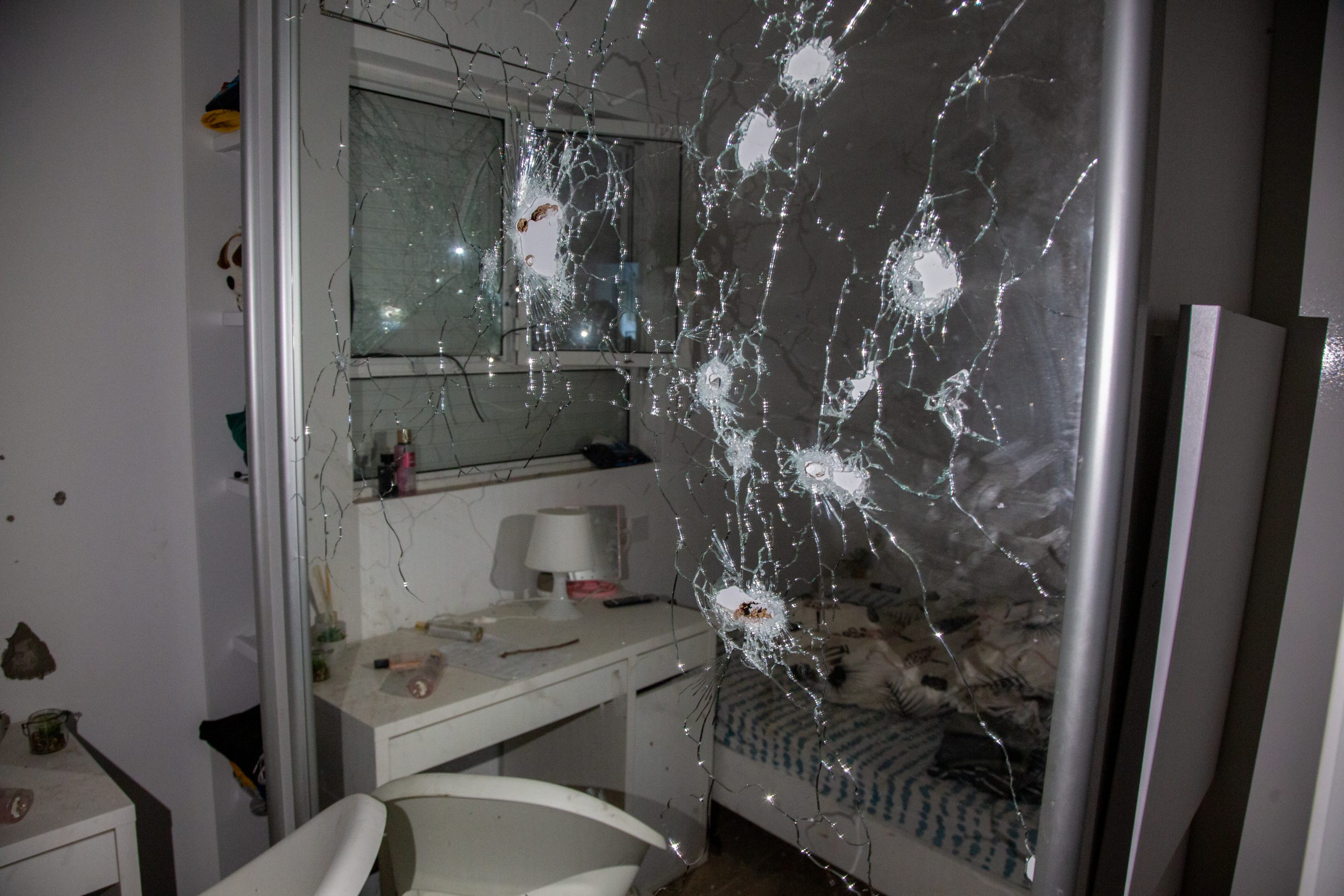
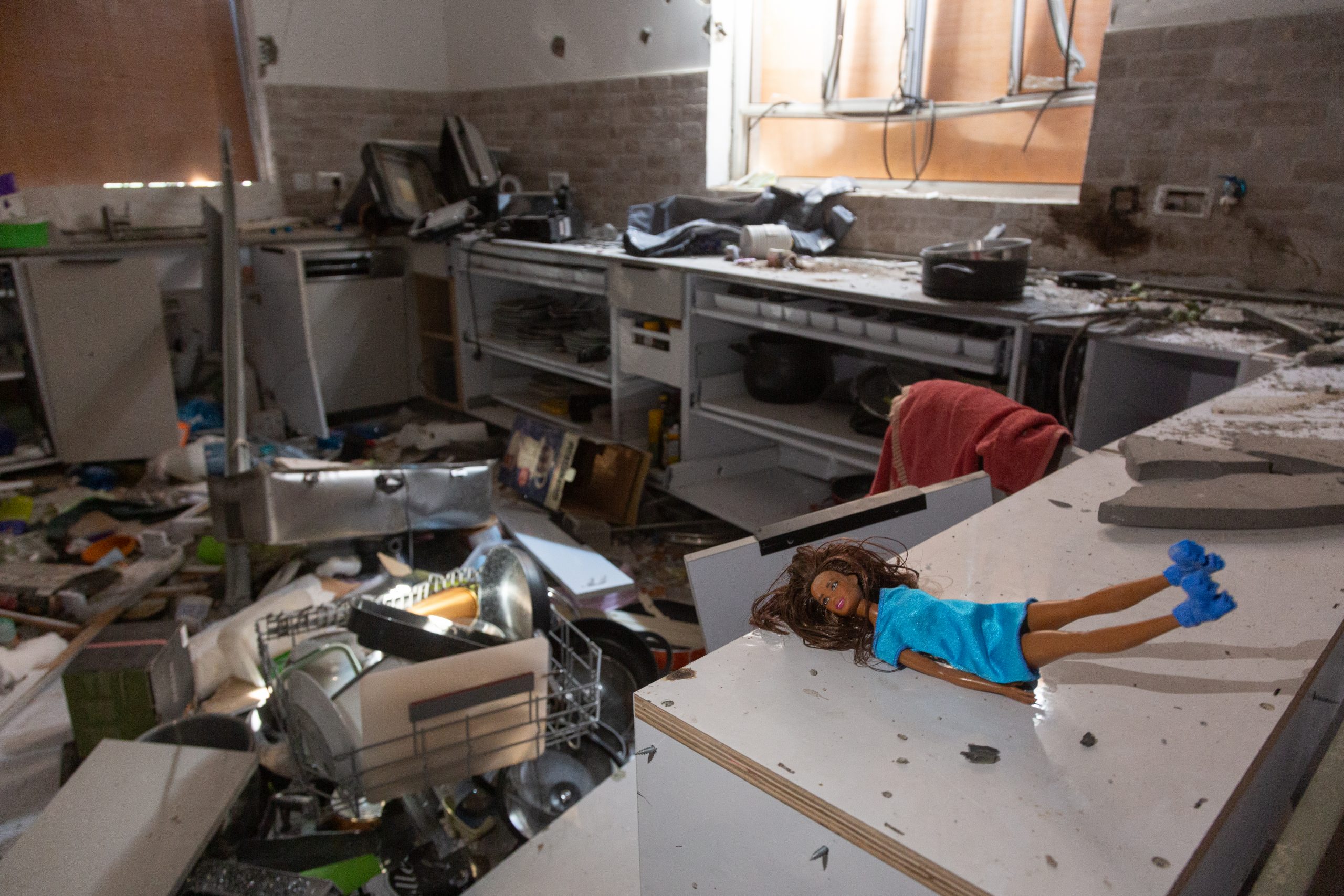
On October 7, as part of a surprise attack by Hamas on the communities surrounding Gaza, dozens of terrorists infiltrated the kibbutz. Ten members of the kibbutz and six foreign workers from Thailand were murdered, and four members were kidnapped to the Gaza Strip. The battle to protect Kibbutz Kissufim also claimed the lives of eight IDF soldiers.
The terrorists struck systematically, cutting off all communication to the outside, and destroying electrical transformers and water mains. They reportedly knew where the head of the civilian security team lived, but he had managed to fight them off. Only two members of the civil defense team were able to leave their homes and engage the terrorist; one of them was killed in the fighting.
Among the victims was Gina Semiatich, a 90-year-old woman, dragged and shot in the head in her own living room. In another horrifying event, an entire family perished when terrorists set fire to their home when they refused to leave their safe room.
Besides the massacre at the kibbutz, a battle took place between dozens of terrorists and IDF soldiers of Golani’s 51st Battalion at the Kissufim outpost near the kibbutz. Comprised of mostly young combat fighters, the battalion had gone on-line only about a month previous, directly from training and until Saturday morning had not carried out any operational activity.
Some of the soldiers of the battalion fought a parallel battle inside the kibbutz, saving the kibbutz from a far greater tragedy. It was the preparedness of Captain Ido Itzhaki of the 51st Golani Battalion that played a crucial role in the unfolding of the day’s events. Captain Itzhaki told his fighters on Friday night, “Tonight we are going to war, not because of any intelligence information, but I knew that if we were half a company, on a holiday Saturday – that was the easiest time to become complacent and I wanted the fighters to stay alert.” At dawn he went on a routine patrol of the fence, between the edges of the sector he was assigned to when the horror of war suddenly become apparent before his eyes.
“In one moment I saw a heavy volley of missiles fired towards Israel. The communications were completely silent; I think I was the first to report on the fire. Then I hear the lookout scout in the communication device call out ‘surprise penetration from many locations!’ Everyone in the sector was activated at once, some of them still in their pajamas. I understood that we were alone in the world – there is no one who could block their entry except us. They arrived methodically, well equipped, I saw an army right in front of my eyes,” Captain Itzhaki recalls.
After several hours of intense fighting, the small force decided to rescue the residents from their safe rooms to concentrate them in a single area for better protection. The kibbutz deputy security chief called to the residents by name to gain their trust in each house individually. Here, Captain Itzhaki in an unusual decision, instructed the fighters to stay a few moments inside each house where there were children: “I asked everyone to enter the homes calmly, stroke the children’s hair, talk to them, a little ‘what’s going on man?’ introduce a little humor, provide security,” he said.
On Tuesday, Reuven Heinik from Ashkelon, the kibbutz dairy farm manager, asked the army for permission to enter the kibbutz dairy farm in order to feed the cows who had not received food and water for about 60 hours. While at the milking station, a militant who was hiding at the location murdered him. A full week later, the Golani fighters were still encountering terrorist at a rate of at least 3- 4 a day. One company commander, one platoon commander and about 20 fighters saved an entire kibbutz.
https://he.wikipedia.org/wiki/כיסופים
https://he.wikipedia.org/wiki/הטבח_בכיסופים
https://www.homee.co.il/כיסופים/
https://www.youtube.com/watch?v=-5LkqM0DDGE
https://www.israelhayom.co.il/news/local/article/14727540


