
Yakhini

established

Regional Council

Population (Pre 7/10/2023)

Distance From The Gaza Border

Type Of Community

Economy
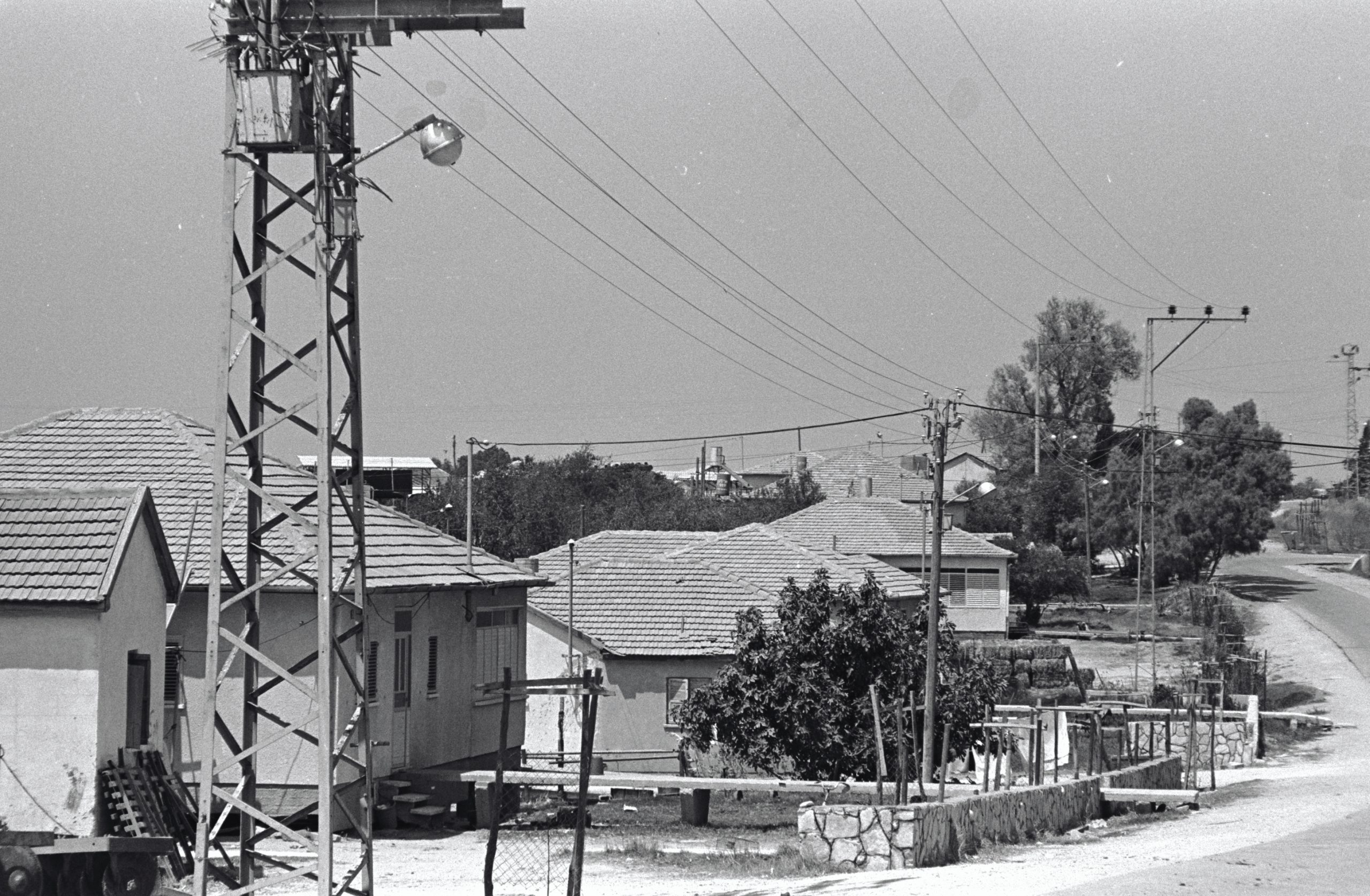
Moshav Yakhini was established on July 25, 1950, under the temporary name “Muharka B”, because of its proximity to the Arab village of al-Muharka; eventually the moshav was named for Yakhini, one of the sons of Shimon, son of the patriarch Jacob, as it is located in territory that belonged to the Tribe of Shimon in biblical times (Numbers 26:12). Nearly two hundred immigrants from Persia and Kurdistan staying in the immigrant camp in Pardes Hana were brought to Moshav Yakhini. Upon their arrival, it became clear that the moshav’s current conditions would not meet their basic needs, since initially there were not enough tents and there was a lack of water and food. Due to the many difficulties, some residents left the community. Additionally, the moshav suffered from severe internal conflicts, and as a result the Jewish Agency decided to disband the moshav in 1952. Also, in 1952, 100 families of Yemeni immigrants who immigrated to Israel during Operation Magic Carpet were settled at the moshav- the full planned capacity of the moshav. In November 2006, a student village from Sapir College was inaugurated in the moshav.
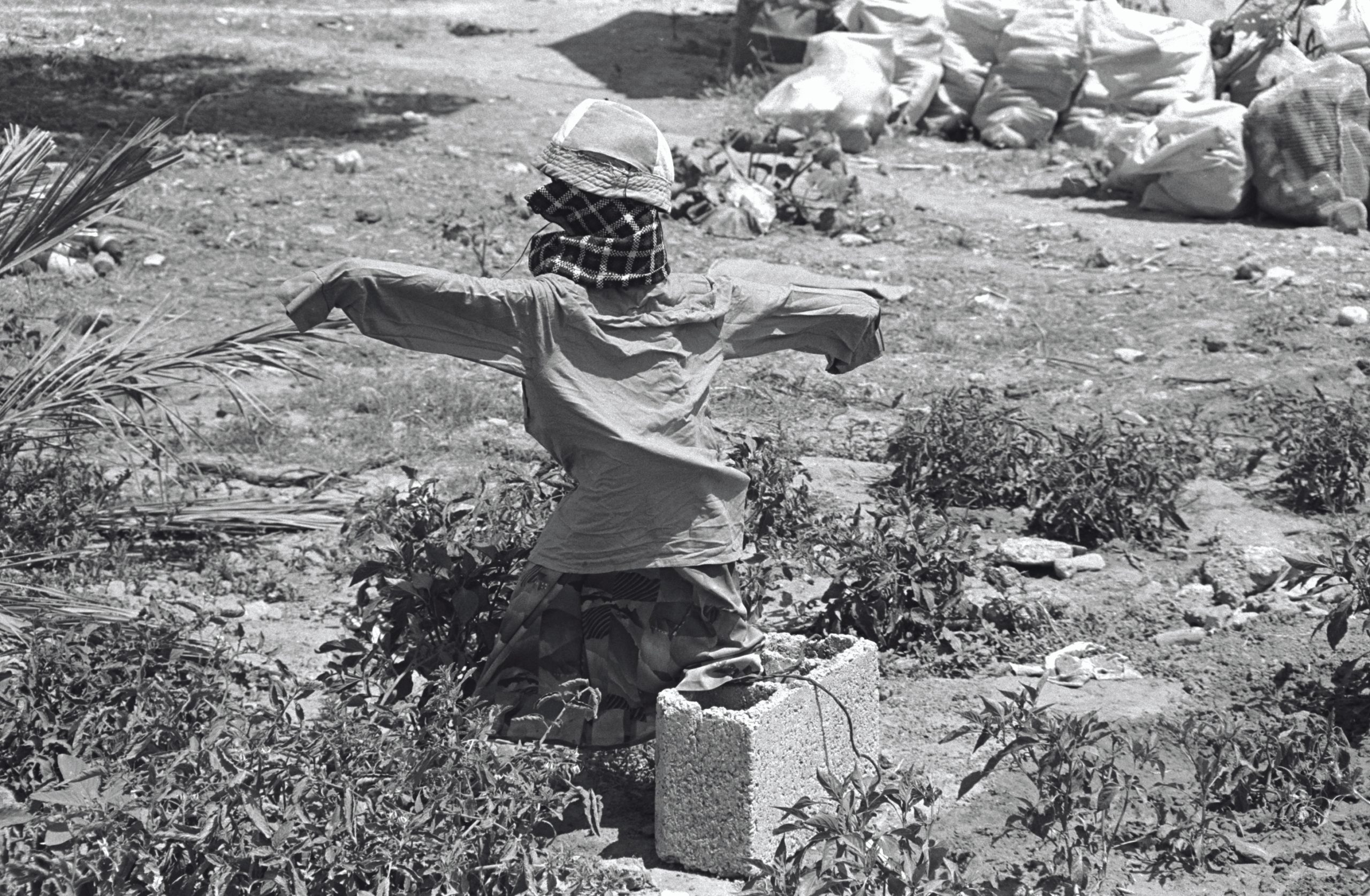
The kibbutz’s economy is mainly based on renewable energy and agriculture, including vegetables, organic pomegranates and dairy farming.
KKL-JNF and Moshav Yakhini
The Events of October 7, 2023
Moshav Yakhini was attacked by dozens of heavily armed terrorists who broke through the Moshav’s fences. They were met by a few members of the kibbutz civil defense team who were only equipped with hand guns. The community’s security chief was in Thailand at the time of the attack, yet he still directed the response of the moshav’s 18-person civilian defense team remotely until he was able to get a flight back to Israel. There were seven casualties in the moshav, including a border police officer, and an IDF officer. The Israeli Border Police and Israeli Defense Forces eventually arrived and killed all of the attackers and saved the remaining residents.


