
Holit

established

Regional Council

Population (Pre 7/10/2023)

Distance From The Gaza Border

Type Of Community

Economy
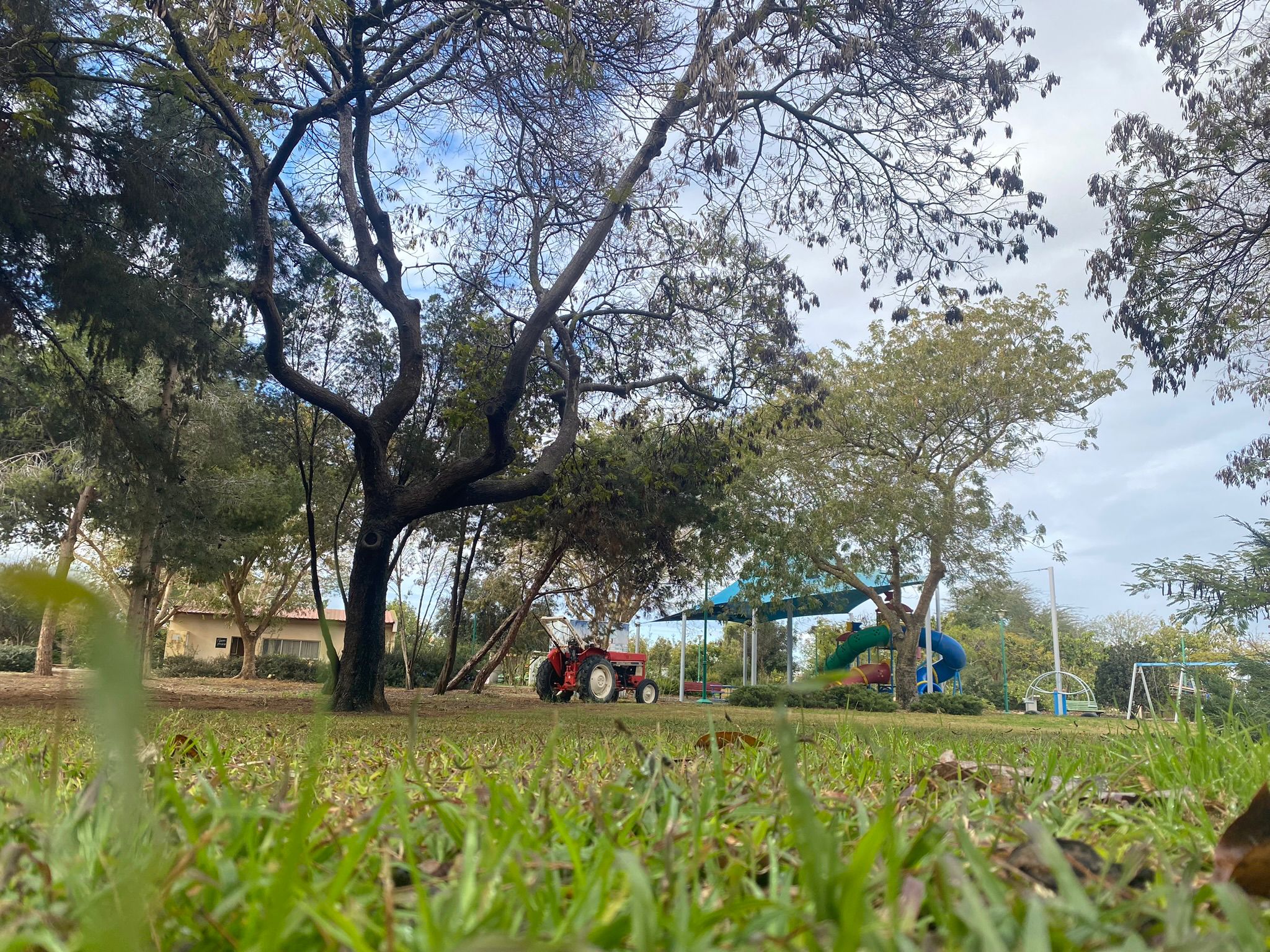
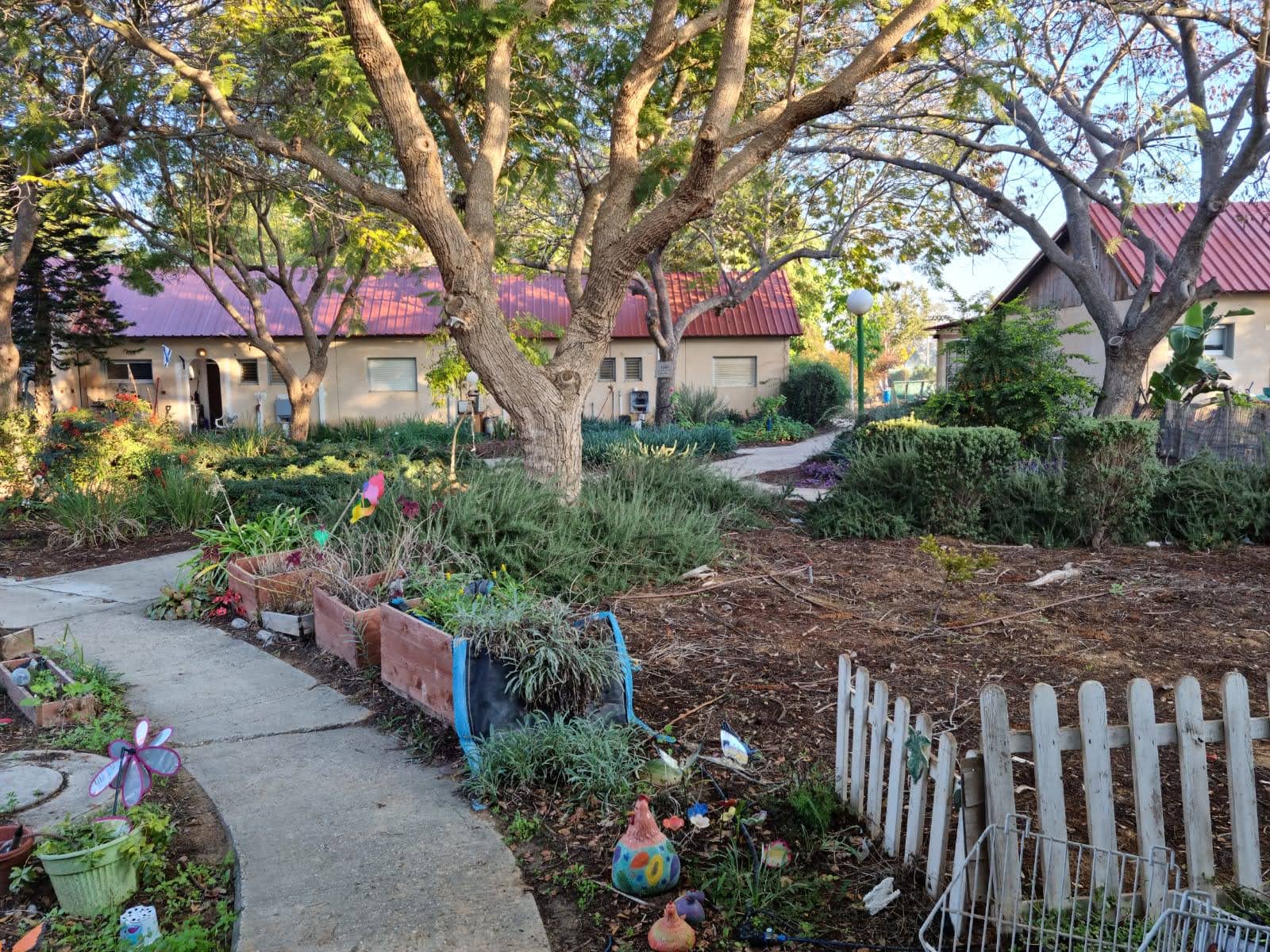
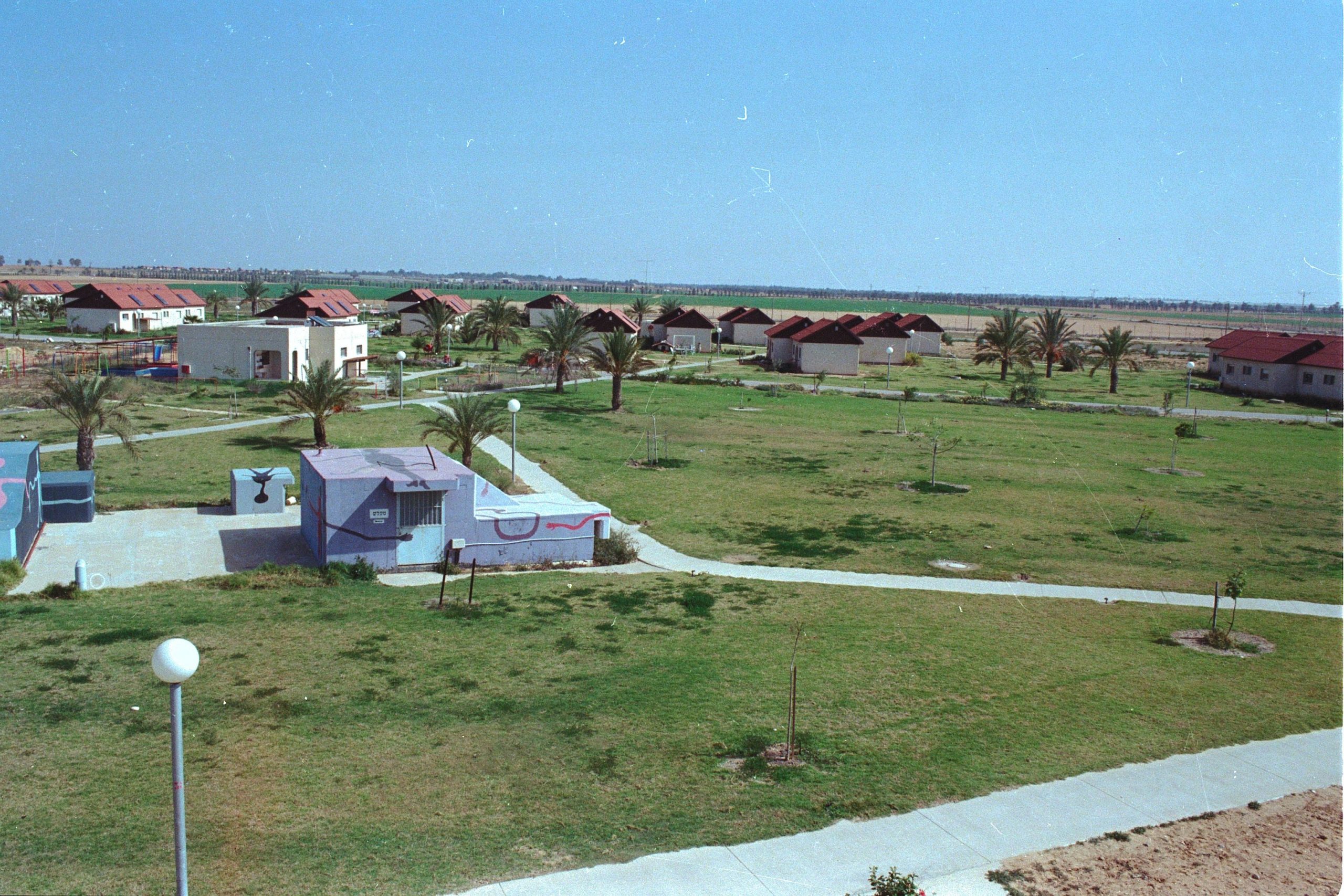
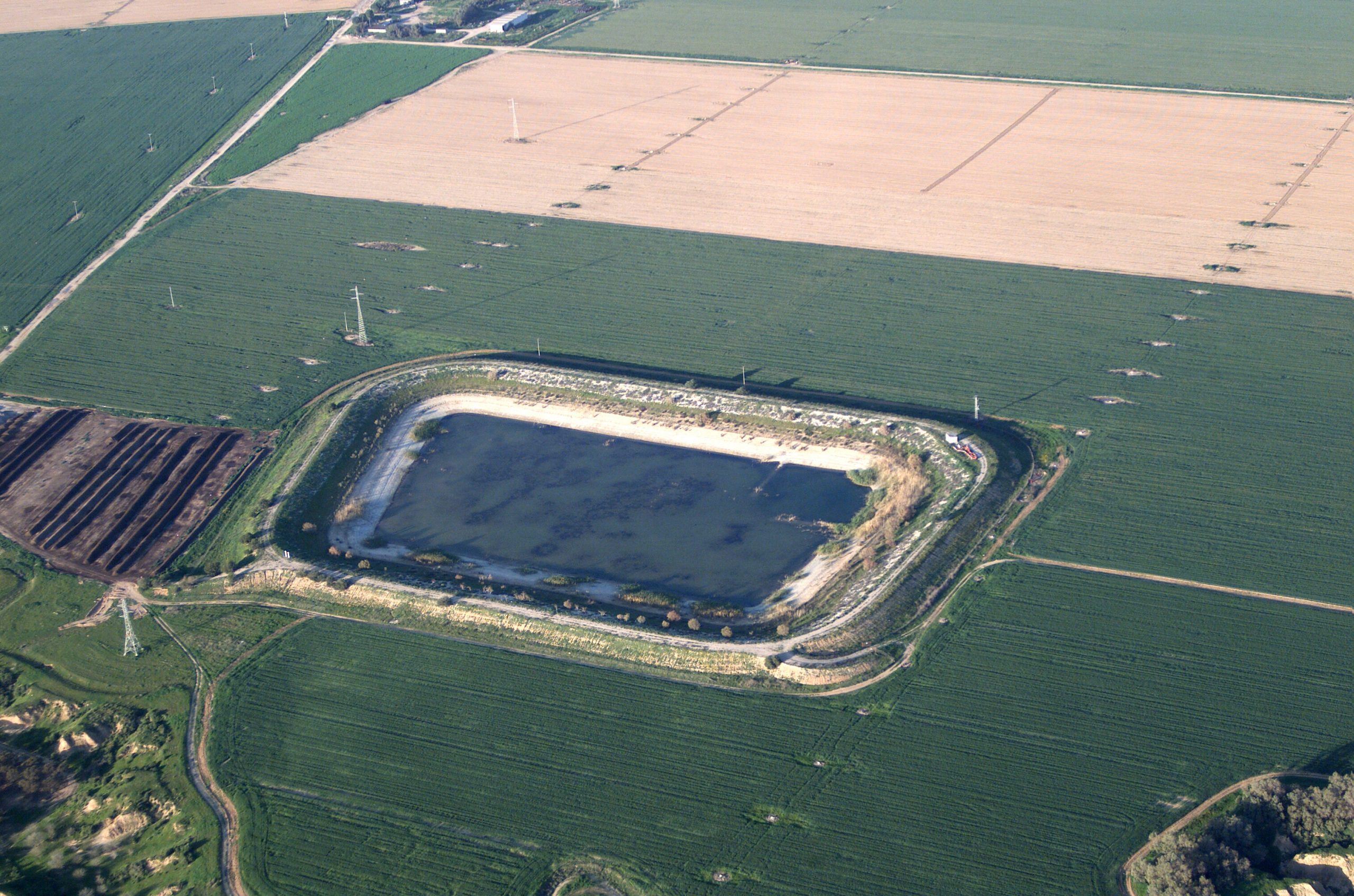
Kibbutz Holit (Hebrew for “Dune”) was first established in the Sinai Peninsula and named after the sandy natural environment. In 1982, after the signing of the peace accords between Israel and Egypt, the kibbutz was moved to its current location, very close to the Rafah Border Crossing and the Egyptian border, where a single ash tree grew – today this tree is the center of the kibbutz.
The kibbutz faced many challenges over the years and so in 2005, as part of the “Disengagement Plan“, an idea arose to evacuate the kibbutz and settle in with evacuees from the Gush Katif area, who’s residents were removed from their communities within the borders of Gaza. This idea did not come to fruition, and instead it was decided that it would be a Hashomer Hatzair training center, where Jews from around the world could come and volunteer during their gap year. In 2010, the kibbutz had 25 members and there were talks about turning it into a moshav to help recruit more members. However, thanks to the combined effort of kibbutz organizations and governmental bodies, new young families were welcomed into the community.
In 2021, the construction of a new 12 house neighborhood of was completed for the first time. As of May 2022, the kibbutz had 84 members in 77 households, in addition to two educational programs: the Negev preparatory school – a pre-military training school for social leadership; and the “Mahal and Migdal” program – a preferred work program in agriculture of the Shomer HaHadash organization. Outward looking educational programs was one of the important goals of the kibbutz.
Kibbutz Holit was a renewing kibbutz and its members lived in full economic independence. The branches of livelihood in the kibbutz were based on agriculture; the kibbutz had a kennel, a pub, a citrus and mango orchard, a large dairy farm, the “Zaksenberg” juice factory. The kibbutz had created a diverse and rich culture for adults and children alike.
Their pitch to new applicants promised, “If community is important to you, if Zionism and pioneering are concepts close to your heart, you belong with us!”
KKL-JNF and Kibbutz Holit
The Events of October 7, 2023
Hamas terrorists infiltrated Holit murdering thirteen innocents, among them, 14 kibbutz members and two foreign nationals who were working there. The terrorists slaughtered Moshe Ridler, a 91 Holocaust survivor, who was known as “the grandfather of the kibbutz“, together with his personal therapist, the late Petro Bosco, a 35-year-old Moldovan citizen, father of two. Shlomi and Shachar Mattias were also among the victims of the massacre. Their son Rotem recounts: “The terrorists opened the door, threw in a grenade or something and it exploded. The last thing my father said was that he’d lost his hand and then my mother died on top of me.”
In the early afternoon of Oct 7, a crack force from the Air Force, Shaldag, arrived at the kibbutz knowing that there were terrorists there. They joined the small kibbutz civil defense team and began to cleanse the area. Together, they lead a battle against ten armed terrorists and eliminated them with the help of armored tanks, rescuing many residents including children and elderly people. During the rescue, IDF forces found a little girl hiding in a closet in her home, her parents both laying murdered nearby.
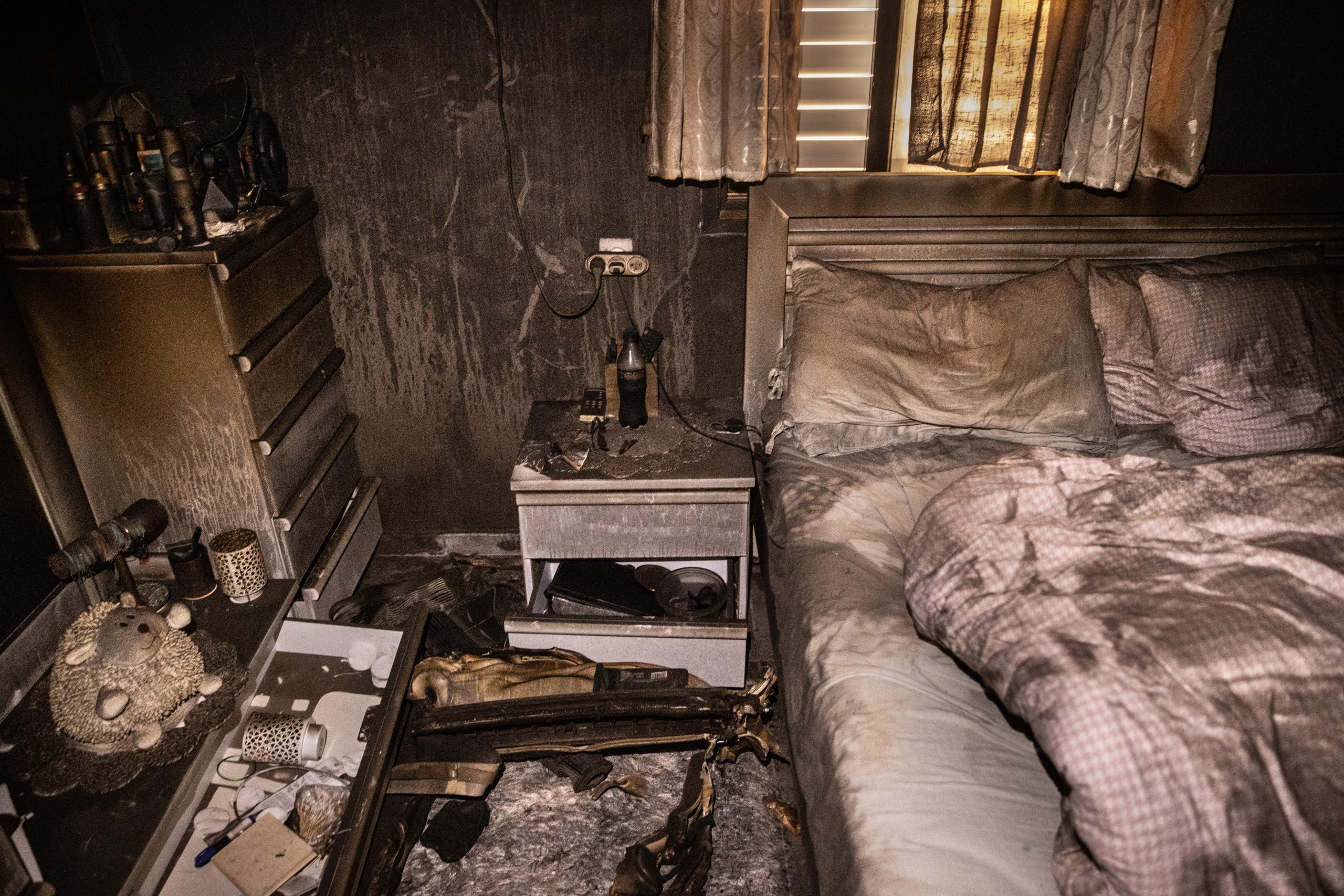
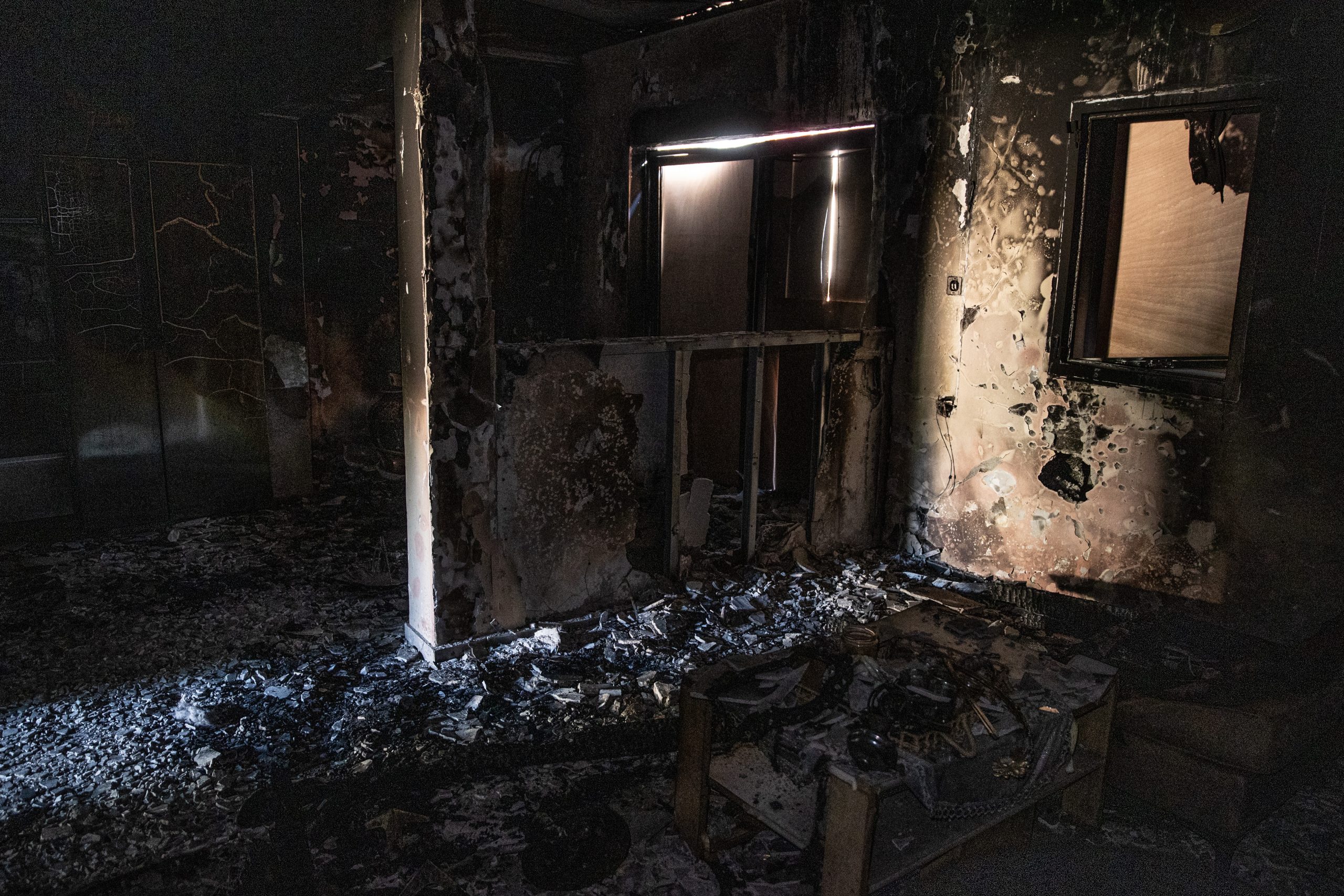
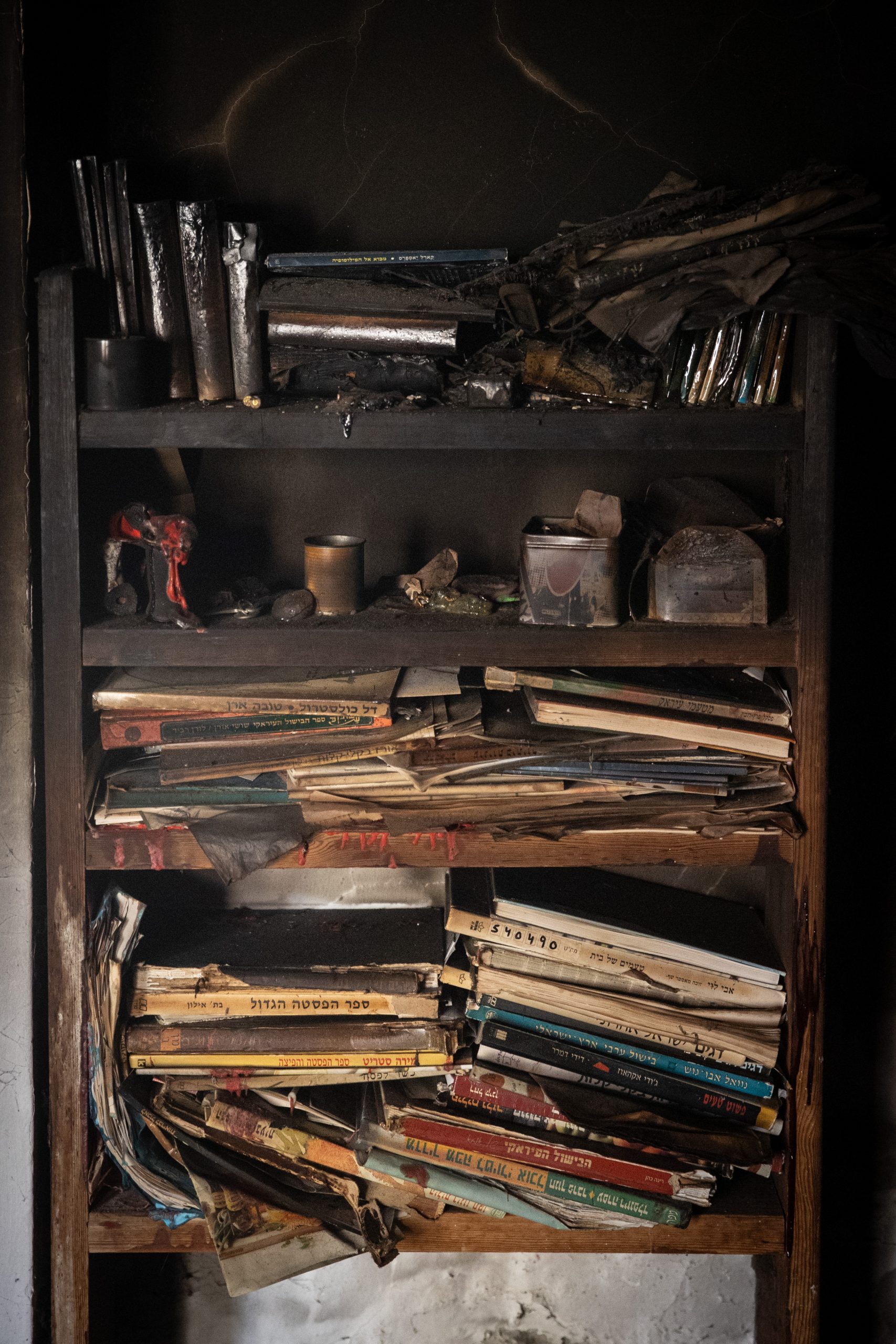
The people of Holit showed bravery and courage in defending their homes, but the reality the day after is extremely difficult and is the beginning of another battle. If the many losses in body and soul were not enough, the murderers left behind destruction and devastation. The houses, buildings and vehicles were entirely destroyed. Their economy was severely damaged and the ongoing war prevents residents from returning to their businesses and plantations in the kibbutz.
Naama, a member of Kibbutz Holit relates her thoughts on that horrific day: “And you hear them [the terrorists], you hear them so loudly outside the house shouting in Arabic and the only thought is if they manage to get in, let them do it quickly so we don’t suffer and they won’t discover the children we hid under blankets and pillows in a dark corner of the safe room.”
https://he.wikipedia.org/wiki/חולית_(קיבוץ)
https://www.mako.co.il/news-military/6361323ddea5a810/Article-67fa673093a4b81027.htm
https://my.israelgives.org/he/fundme/kibbutzholit


