
Sufa

established

Regional Council

Population (Pre 7/10/2023)

Distance From The Gaza Border

Type Of Community

Economy
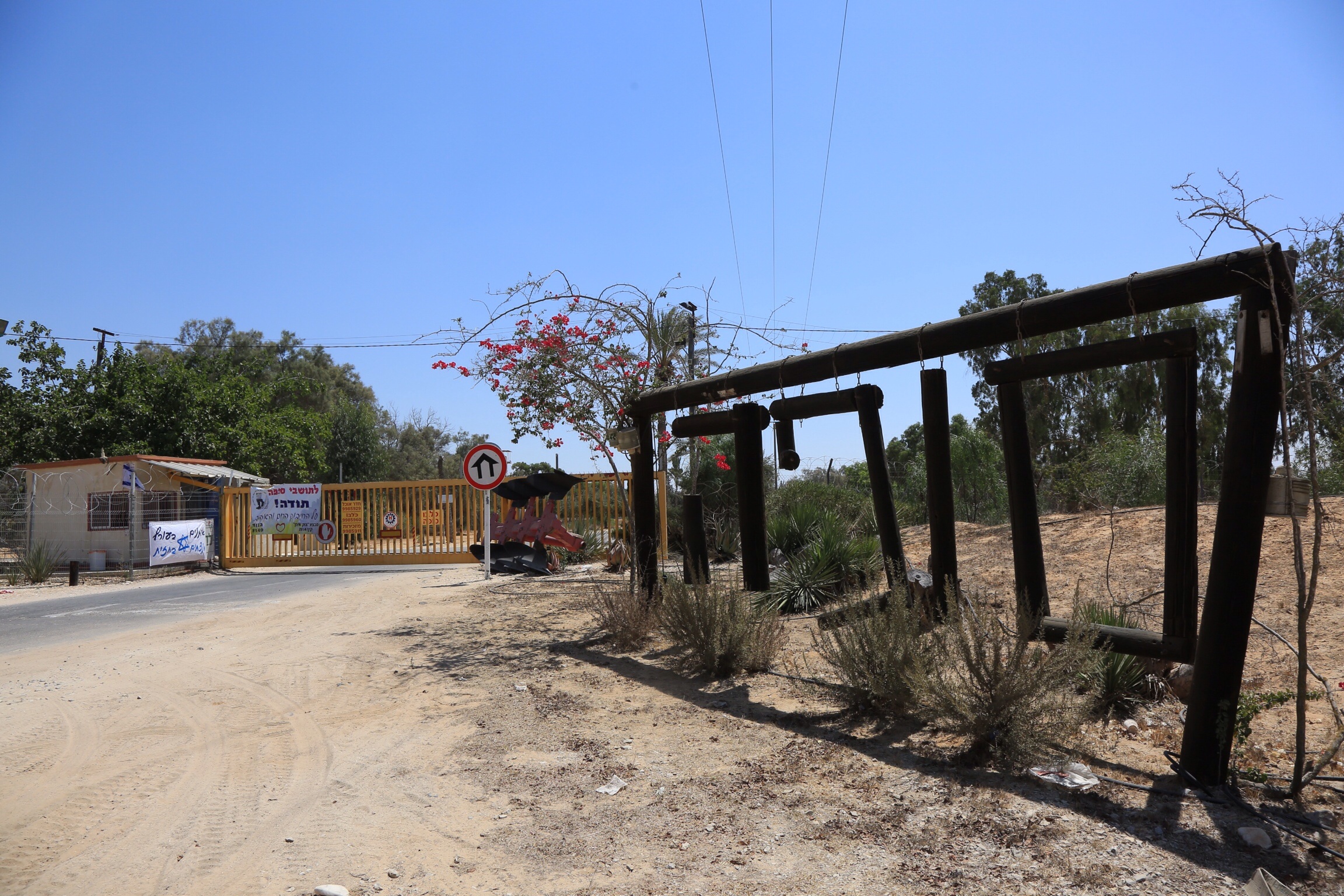
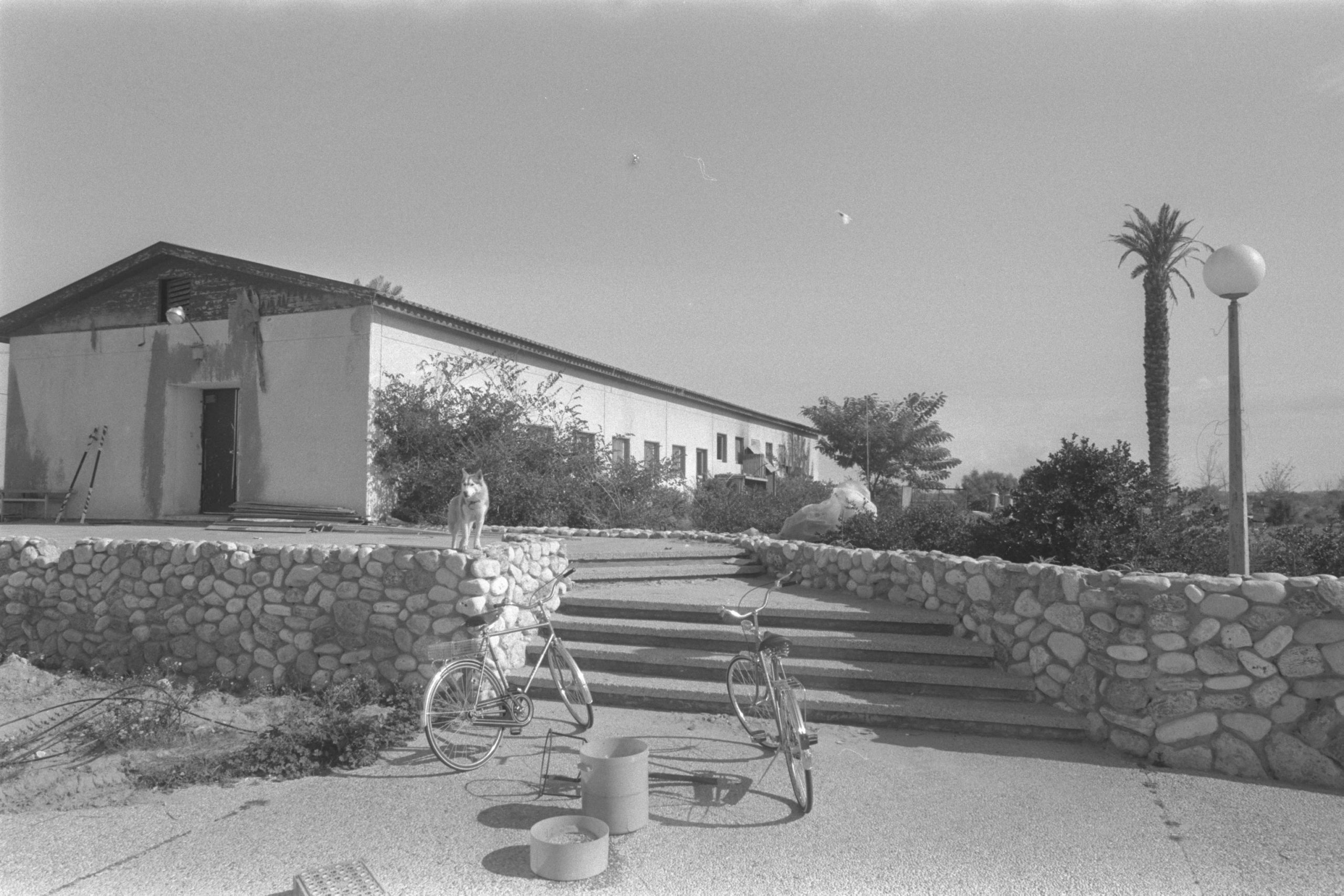
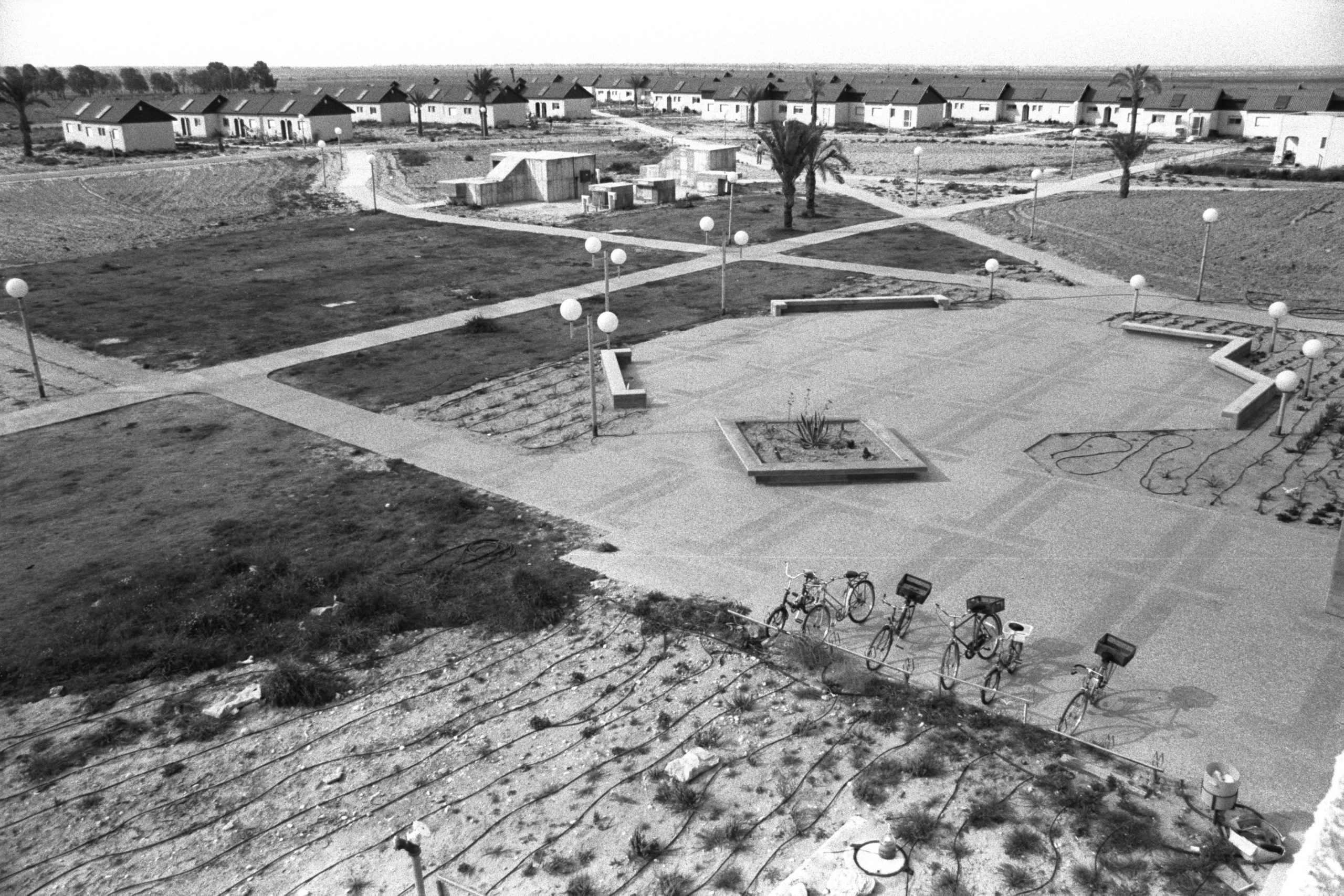
Kibbutz Sufa (Hebrew for ” Storm”) was founded in 1982 by former residents of an Israeli community in Sinai by the same name, which was evacuated as part of the Egyptian-Israeli Peace Treaty. Its name is derived from the severe dust storms which occurred in the original location. A border crossing between Israel and the Gaza Strip named after the kibbutz was located nearby, but was closed permanently by Israel in 2008.
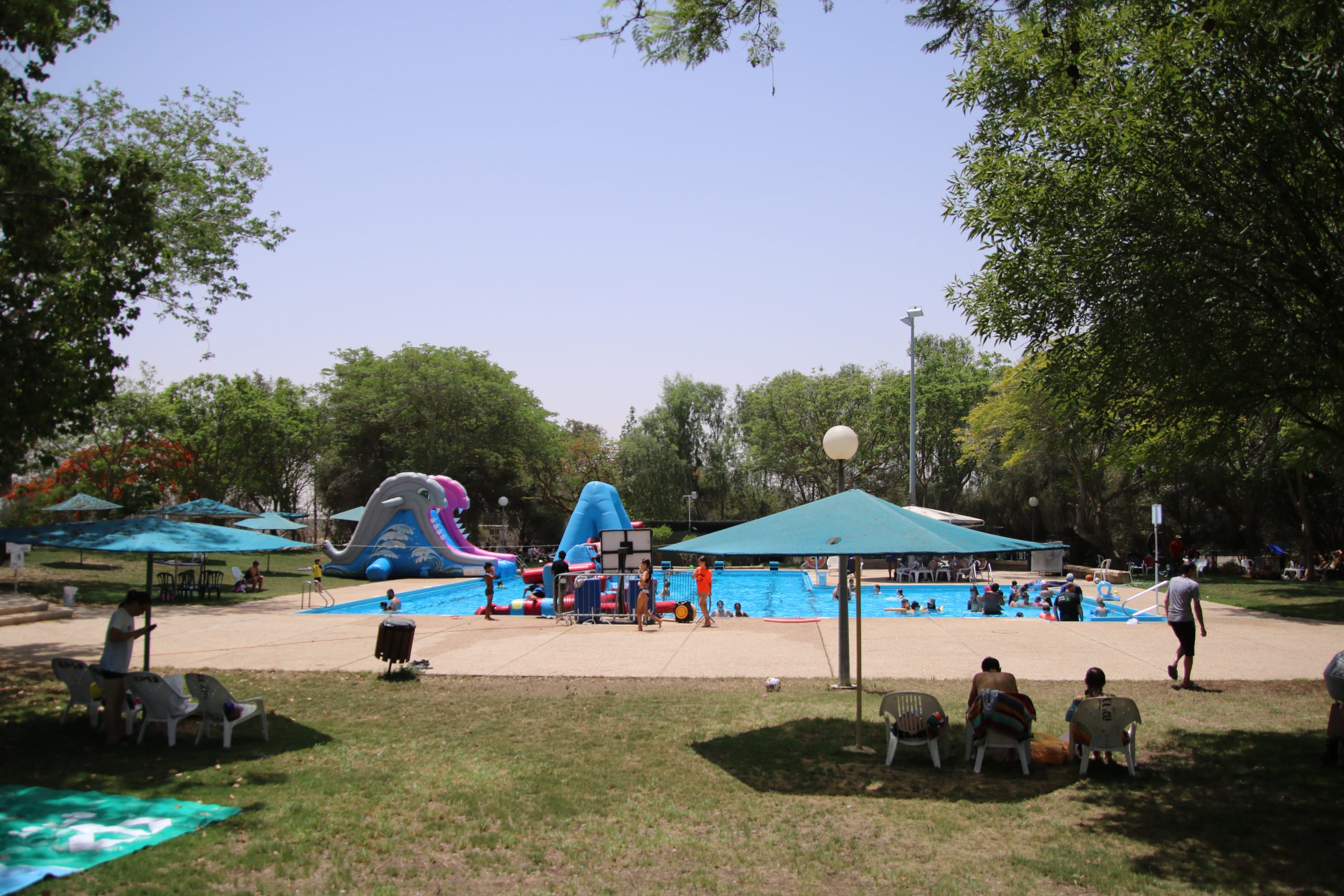
The kibbutz numbered about 60 families, and despite being privatized it maintained a cohesive community life. During the year the residents and members would meet and spent time together at parties, lectures and performances, and during the Israeli holidays the entire community would meet in a joint cultural activity. The kibbutz had a quiet and green rural environment, with sports facilities and fields, playgrounds, a small department store, and a well-maintained swimming pool.
KKL-JNF and Kibbutz Sufa
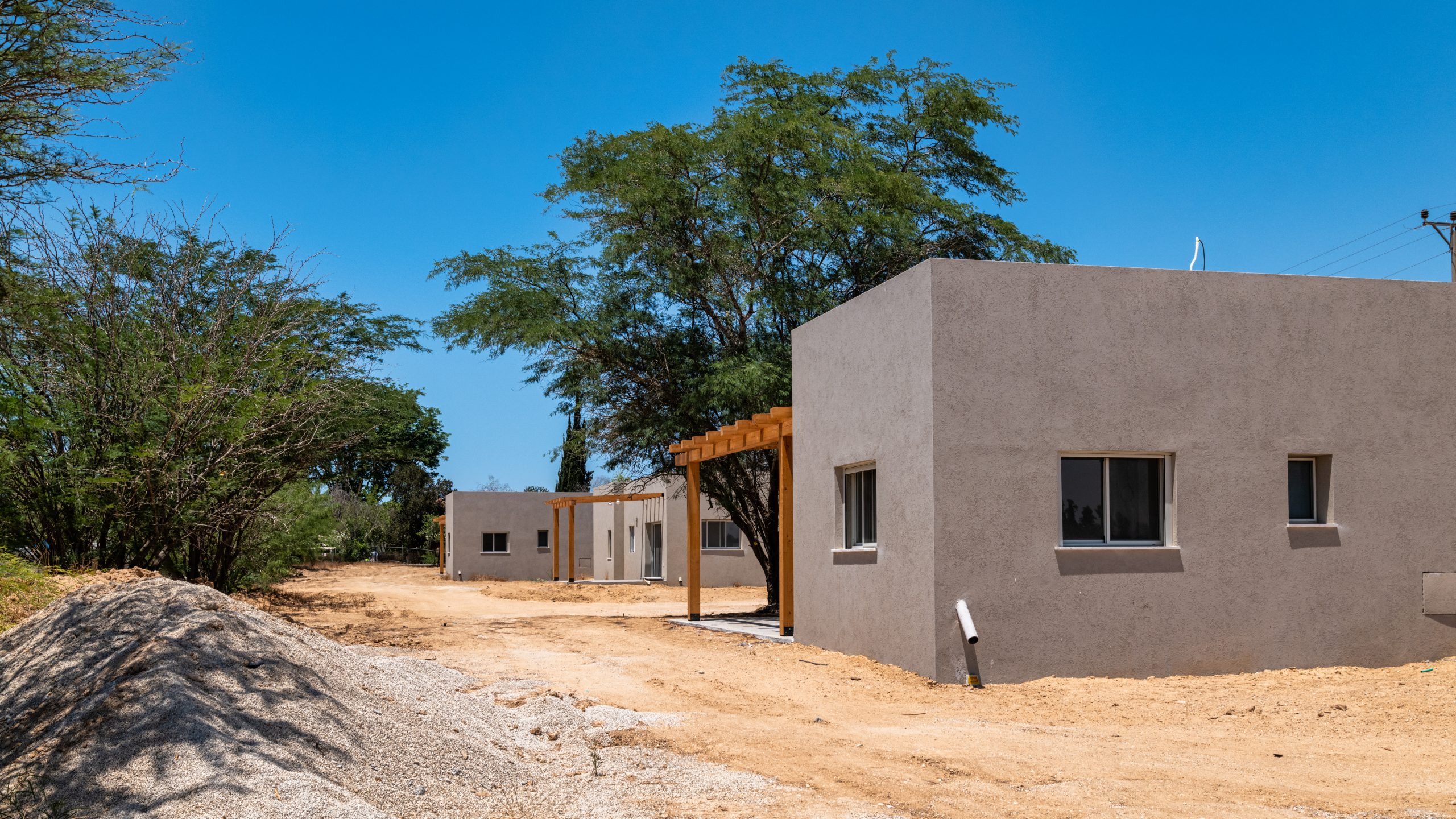
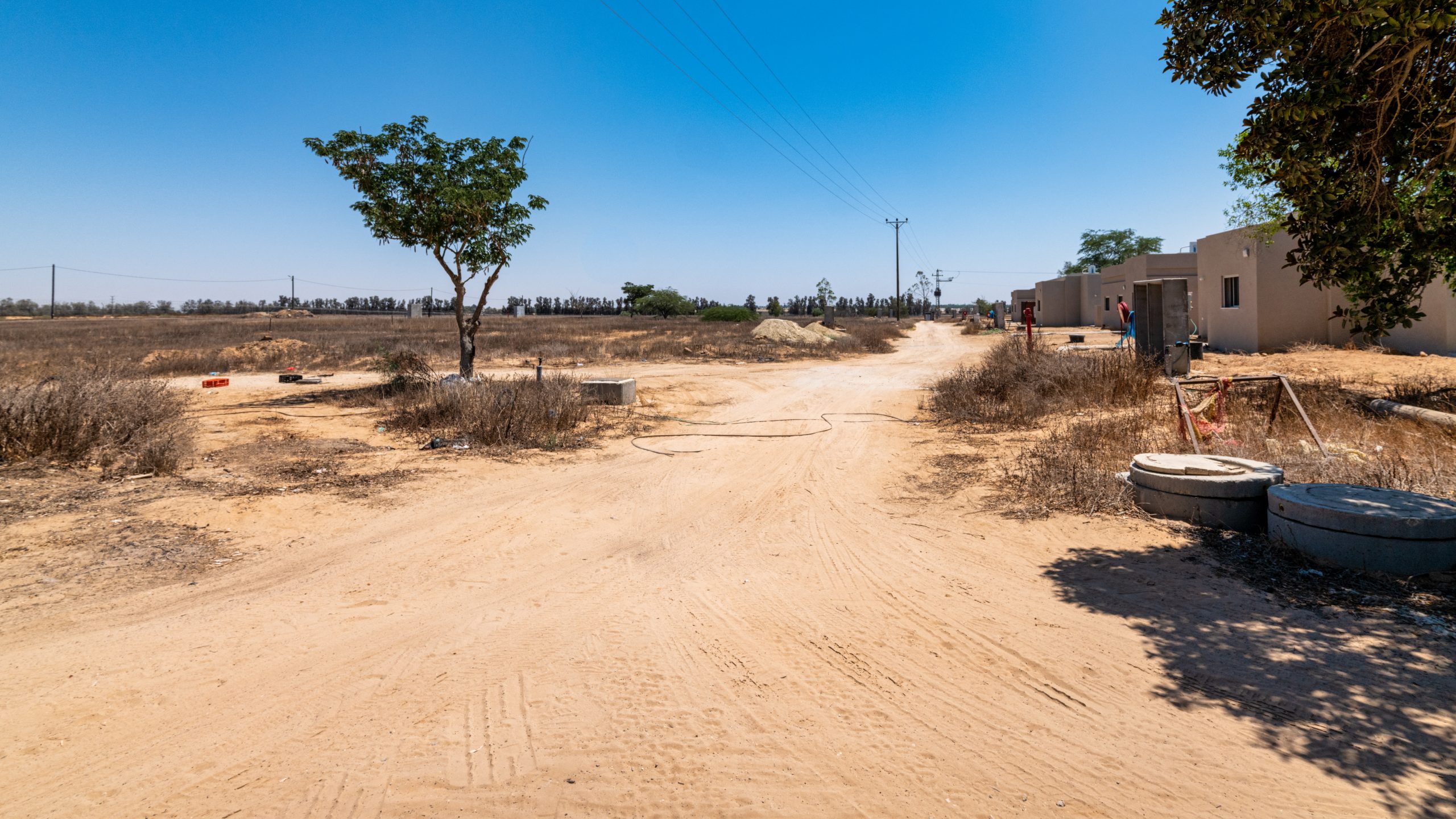
The Eventsof October 7, 2023
Kibbutz Sufa was infiltrated by Hamas terrorists and three kibbutz members, including one of the civil defense team were murdered. However, the rest of the community was saved by the heroic actions of Sufa’s security chief, Elia Natan Lilintal, and the other five members of the civil defense team.
Lilintal retells the events of that fateful morning. “At 6:55, the first sounds of gunshots were heard in the kibbutz. I saw four terrorists, they saw me. They were better armed than I was, and I had no protective gear – the protective gear was in the car. I looked out of the bathroom window, and I saw two terrorists going through my neighbor’s car. Through the bathroom window, I managed to eliminate them both. After about ten minutes, from the same bathroom window, I saw another two terrorists. I shot one of them, he fell right away. The other managed to escape behind a bomb shelter. He threw a grenade and found a different place to hide, behind another bomb shelter. When he peeked out again – I managed to take him down too. I called the battalion commander, I asked him, ‘When is the army coming here to help us?’ He told me, ‘I have two officers down – just manage.'”
The civil defense team, made up of Ido Hovra (who fell in the battle), Elia Liliental, Oded Lavi, Michael Berman and Yuval Belhassan had already been called up and were on their way to a meeting place, with four rifles and two pistols in their possession. They realized they were alone and began calculating each bullet.
“We had to prevent them from entering the kibbutz,” Lilental says, “I’m not a hero, I was just defending my home.” After about 6 hours, Israeli security forces arrived at the kibbutz. In total, 10 terrorists were captured within the kibbutz and another 20 were eliminated. In the battle for Sufa, three residents of the kibbutz were murdered: Ido Hovra, Bernard Cohen and Ofir Erez.


