
Nahal Oz

established

Regional Council

Population (Pre 7/10/2023)

Distance From The Gaza Border

Type Of Community

Economy
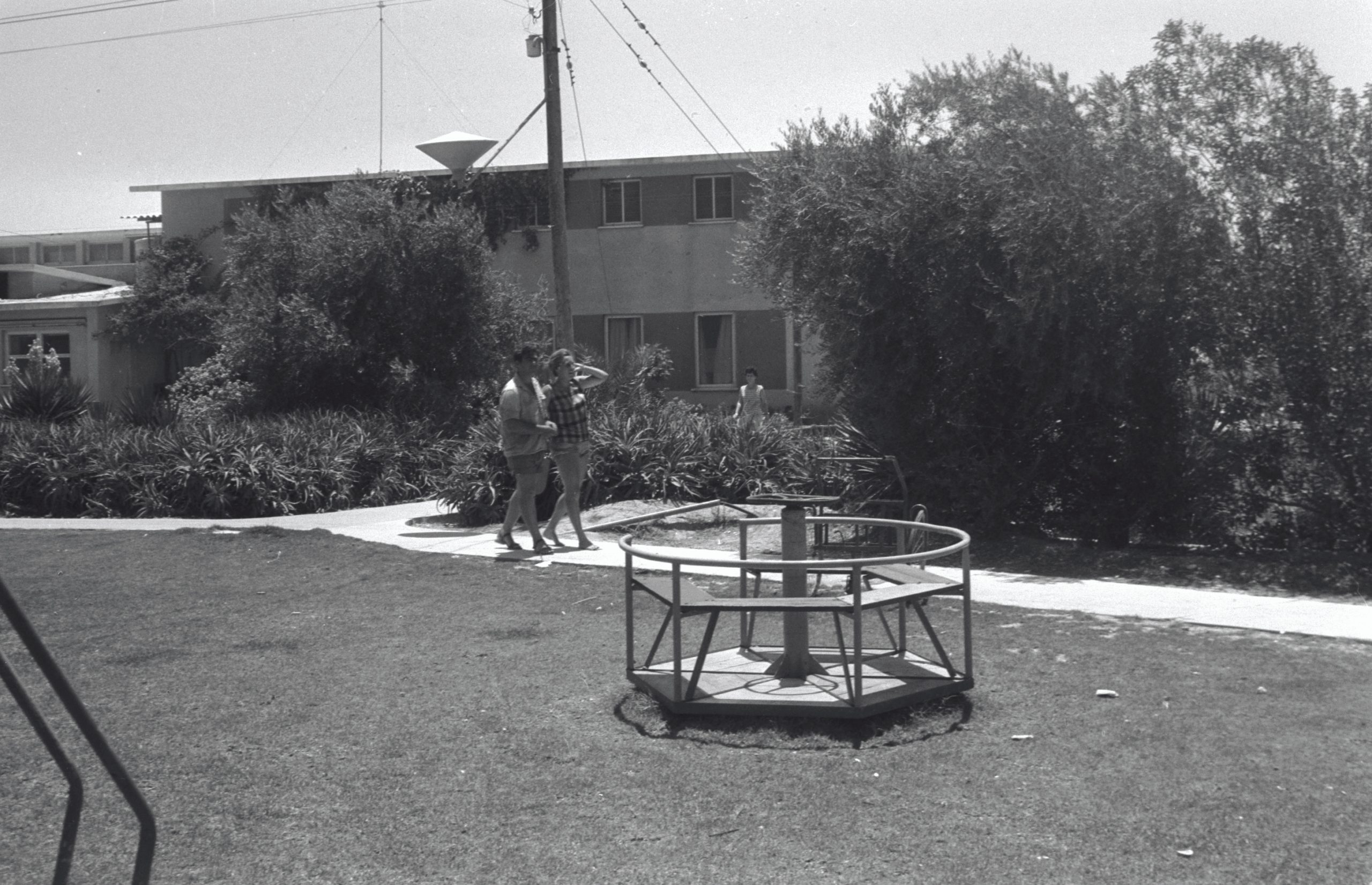
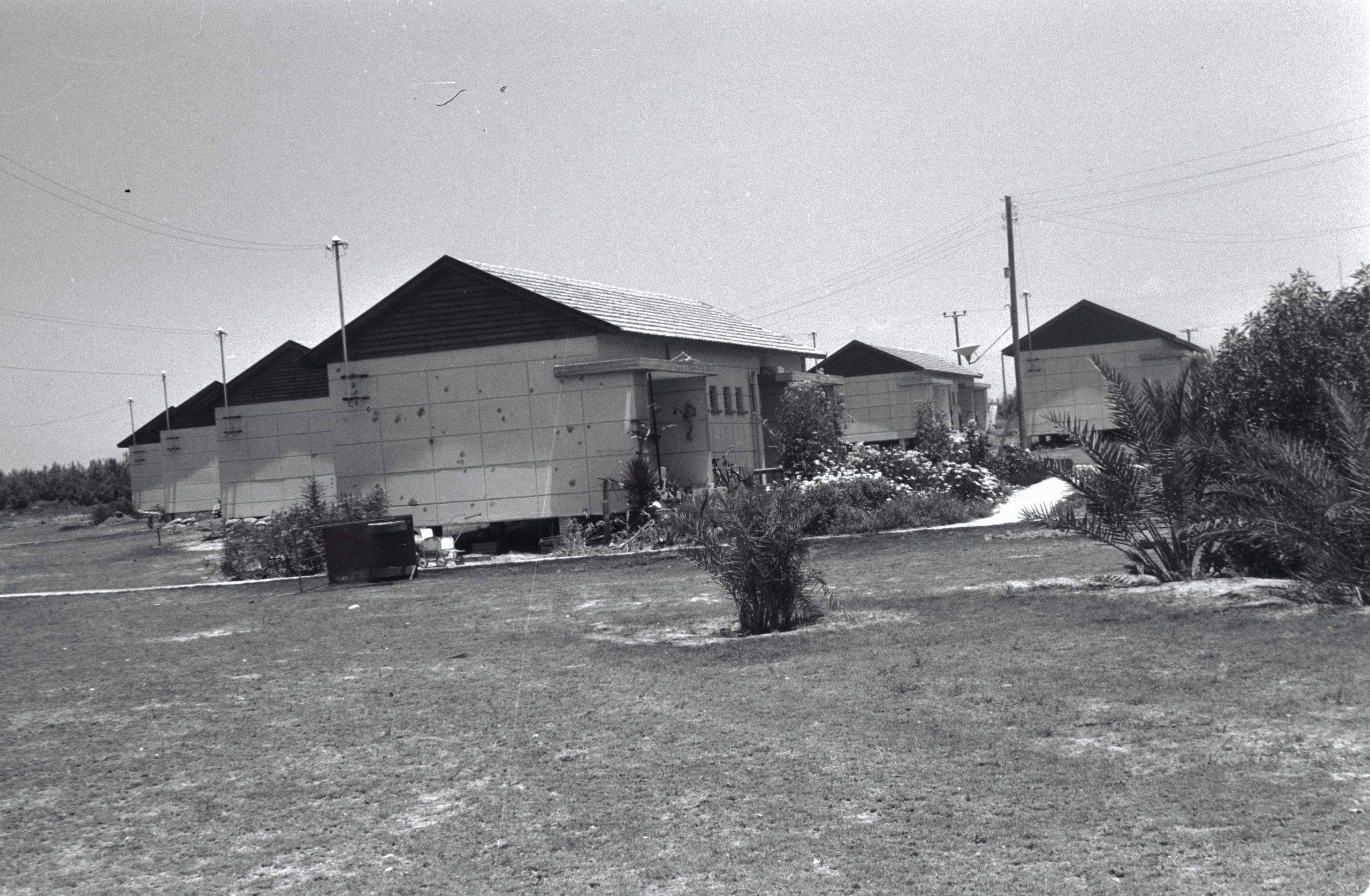
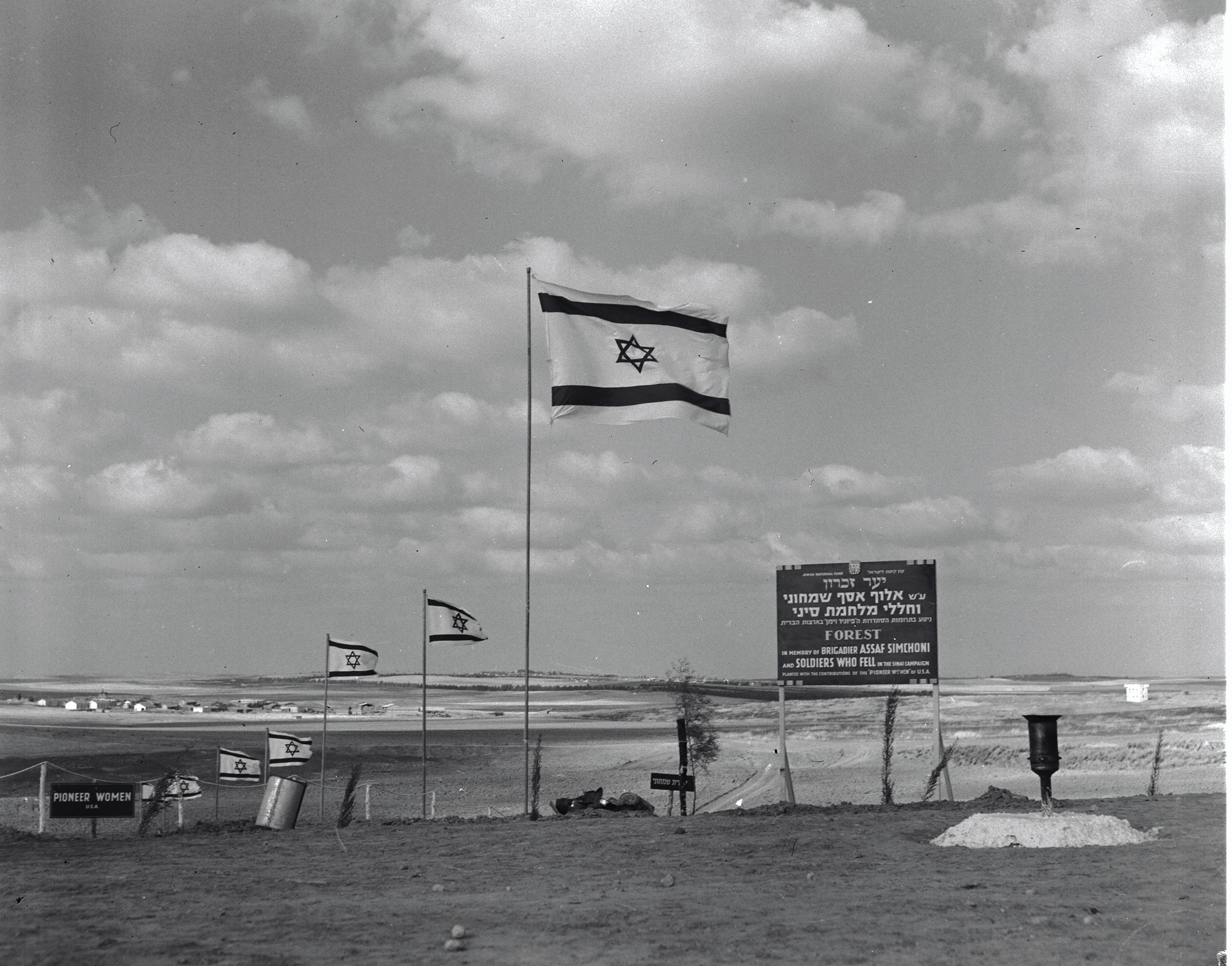
Kibbutz Nahal Oz was the first Nahal community in Israel. It was initially referred to as Nahlayim Mul Aza (lit. Nahal soldiers across from Gaza). The Nahal Military Brigade was founded in 1948 by Prime Minister David Ben Gurion as a program that combined military service and the establishment of new agricultural communities. The goal of the “Nahal garinim” (small groups of community service-based soldiers) was to supply the IDF with soldiers while supporting the founding of kibbutzim and new communities. The goal for every Nahal community was to become a civilian center and serve as a first line of defense against potential future Arab invasions while providing a base of operations and resources for military forces operating in peripheral regions. In the 1950s and 1960s Kibbutz Nahal Oz was the symbol of the security agricultural community building that followed the establishment of the state. The heads of the state and the army, including David Ben Gurion, Moshe Dayan and Ariel Sharon, would often visit. In 1953 Kibbutz Nahal Oz became a civilian community. The word, “nahal” in Hebrew means “stream.” The kibbutz name, “Nahal Oz,” means “mighty stream” in Hebrew. “Nahal” as in the “Nahal Military Brigade,” is also an acronym for the Hebrew phrase “Noar Halutzi Lohem,” meaning “Fighting Pioneer Youth.”
A significant event in the kibbutz’s history occurred in 1956 when the kibbutz’s security chief, Ro’i Rothberg, was killed by infiltrators from Gaza, Moshe Dayan, then Chief of Staff, gave a powerful eulogy at his funeral, which emphasized the challenges faced by Israel and the constant threat from its neighbors.
The kibbutz grows carrots, cotton and wheat, and operates a dairy with 600 cows. In February 2023, a team from Israel’s National Infrastructure Committee came to inspect the area in preparation for building a 4,250 acre solar panel field along the border.
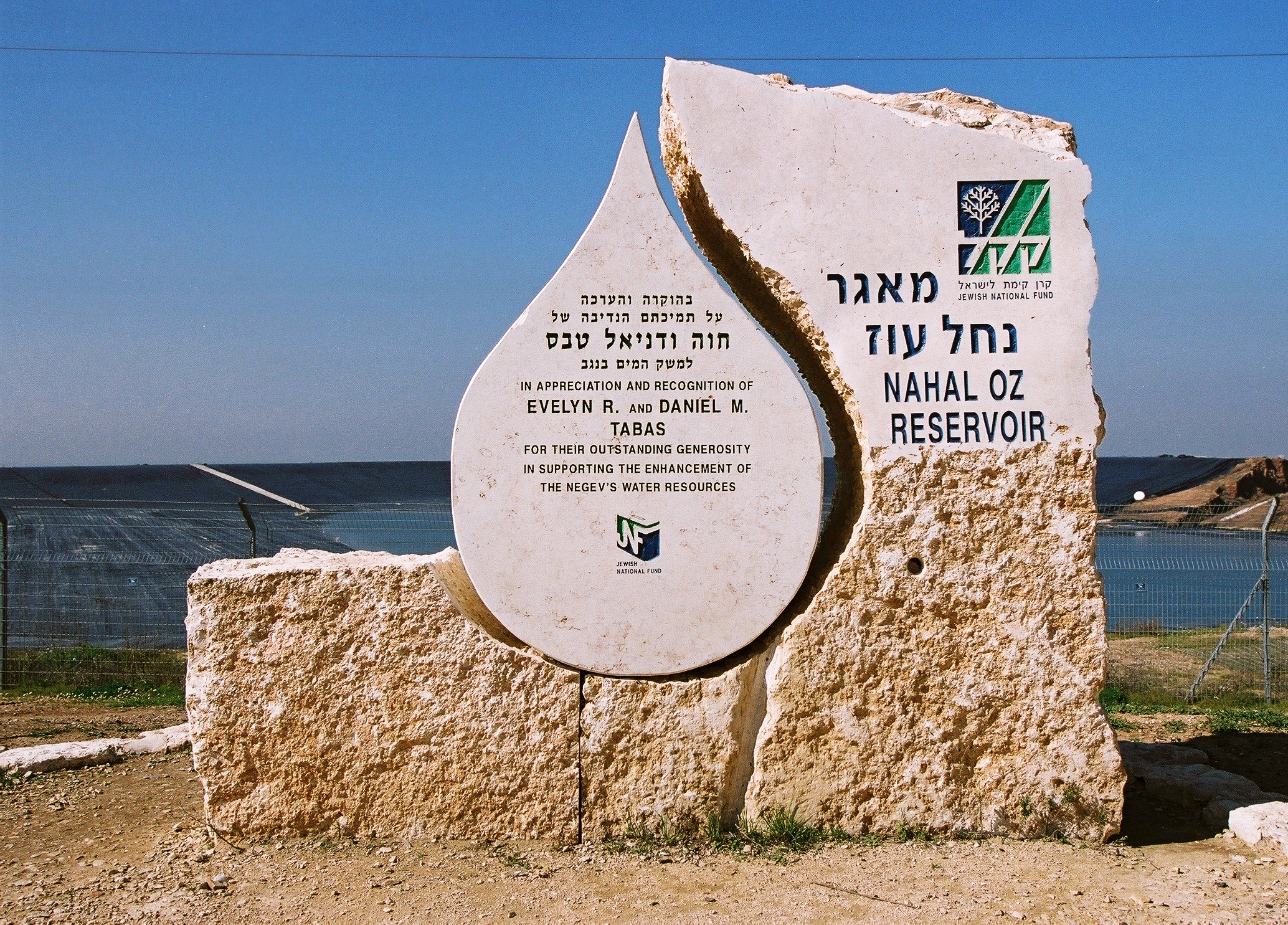
KKL-JNF and Kibbutz Nahal Oz
October 7, 2023
At least 20 Hamas terrorists entered Kibbutz Nahal Oz where they massacred the residents of the kibbutz and murdered entire families. Thirteen residents were murdered and five residents were kidnapped. Fierce fighting took place between the terrorists and the local border police and the kibbutz civil defense team. Despite their limited forces, the police and the civil defense team managed to continue fighting against dozens of terrorists for hours until the army arrived. The extensive resistance likely prevented a larger massacre like those that occurred in Kibbutz Nir Oz and Kibbutz Kfar Aza. Nadav Peretz runs the kibbutz dairy – now destroyed. He described the residents’ initial terrified reactions. “Panicked messages quickly started pouring into the Nahal Oz WhatsApp group. The messages said, ‘please save us,’ ‘please send the army,’ ‘they are killing us,’ ‘they are in my house.’ Some of them were saying goodbye. When we heard the men in the garden, I also sent messages to my mum, telling her I loved her.” Peretz went on to say, “It took a while for us to figure out that they had taken some of the people’s phones, and were messaging in Hebrew that it was safe to come out. Then they killed more.”
The kibbutz security chief, the late Ilan Fiorentino, was killed in battle. Beforehand, he played a significant role in protecting his kibbutz neighborhood. Right before he was killed, he directed other members of the civil defense team to immediately start using their reinforced vehicle which they did. For hours after Ilan fell, they drove all around the kibbutz and waged an unimaginably heroic battle against dozens of terrorists. Ilan, who had trained the civil defense team for years, would have been very proud of them if he knew how they held off many of the terrorists until the army arrived. One member of the border police on the scene, Yaakov Krasniansky, was killed while fighting numerous militants; his body was found together with the bodies of five militants. Several other Border Police officers were wounded.
When the IDF arrived, they battled the terrorists for over 12 more hours before they took control of the kibbutz. IDF troops went door to door, killing Hamas militants. As the kibbutz was cleared, civilians emerged from the safe rooms in their homes where they had been hiding.
Haaretz journalist, Amir Tibon, wrote about his own family’s experience hiding in their safe room for hours until his father, retired General Noam Tibon, arrived to rescue them. “The final hour in the safe room was the hardest of all. The darkness was oppressive, the air was getting thin, and the girls were growing more impatient. The only thing that kept them calm was our promise that their grandfather was on his way. At 4 p.m., we heard a knock on the window and then a familiar voice. Galia immediately said: ‘Sabba is here.’ For the first time since the morning, we all burst into tears.”


