Kfar Aza

established

Regional Council

Population (Pre 7/10/2023)

Distance From The Gaza Border

Type Of Community

Economy
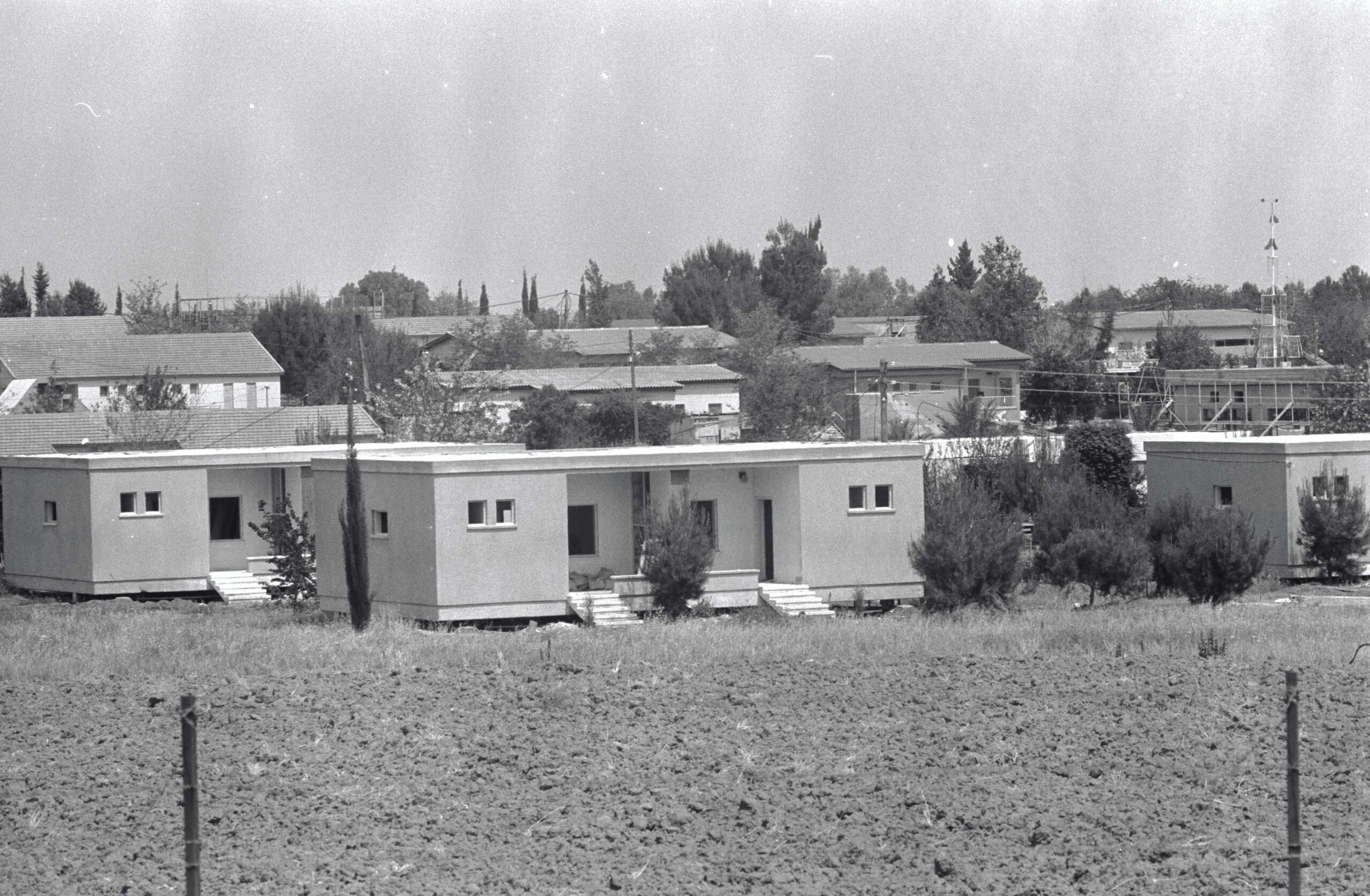
Kibbutz Kfar Aza was founded on August 23, 1951, when Israel was trying to hold the border of the Gaza Strip, along the armistice lines after the War of Independence. The first members of the kibbutz were two cores of new immigrants; one from Egypt, who received his training at Afikim, and the other from Tangier, who received their training at Kibbutz Ayelet HaShahar. With a population of 85 core members living in tents, they cultivated 8,000 dunams of land, raised sheep, and established a roof tile factory. Many of the members also worked outside jobs.
By the beginning of 1954, many members left the kibbutz because of the difficult conditions, which included insufficient food, limited electricity, the lack of a road so that the road to the kibbutz was cut off on rainy days, and trouble with the infiltrators from the Gaza Strip who stole irrigation pipes and agricultural produce. In August 1953, about 25 infiltrators from Gaza stole 60 beehives from the kibbutz. However, compared to other towns in the Western Negev, the kibbutz was relatively. At the beginning of 1956, the kibbutz disintegration due to sectarian conflicts between the two groups that made up the founding nucleus. In order to prevent the complete dissolution of the community, young volunteers from older kibbutzim were sent to maintain the kibbutz. The new group had about fifteen members, who lived in the kibbutz for a year or two. Over the years, many Nahal nuclei were added, from the working and learning youth, the United Movement, the Scouts, as well as quite a few from other kibbutzim and volunteers from all over the world who came for a year and remained as members.
During the waiting period before the Six Day War, Kfar Gaza continued to cultivate their fields, even after the United Nations Emergency Force was evacuated from the area. The kibbutz decided not to evacuate its children, so as not to harm the parents’ morale. At the outbreak of the Six Day War, the kibbutz was shelled, and its members stayed in shelters for 36 hours. Grain on an area of 250 dunams was burned by the shelling and one kibbutz member was killed when his vehicle hit a mine.
Throughout the 70’s and 80’s, the kibbutz enjoyed economic prosperity, accepting new members and developing infrastructure. In 1994, the community extension “Naot Desha” was established which added over forty families to the kibbutz. Sadly, due to its proximity to the Gaza Strip, Kibbutz Kfar Aza has been the target of many Qassam rockets and mortar shelling since Israel’s disengagement from the Gaza Strip in 2005, resulting in one death in 2008, and causing many people to move elsewhere. In 2022, the kibbutz numbered about 800 people, and the main branches of the economy were agriculture and small industry.
The kibbutz has many community services including: a clinic, a pool, a playground, a grocery store, a gym, a children’s farm, student dormitories, a pub and a library. Also, public transportation reaches the kibbutz during the day and allows easy access to and from outside the kibbutz.
KKL-JNF and Kibbutz Kfar Aza
The Events of October 7, 2023
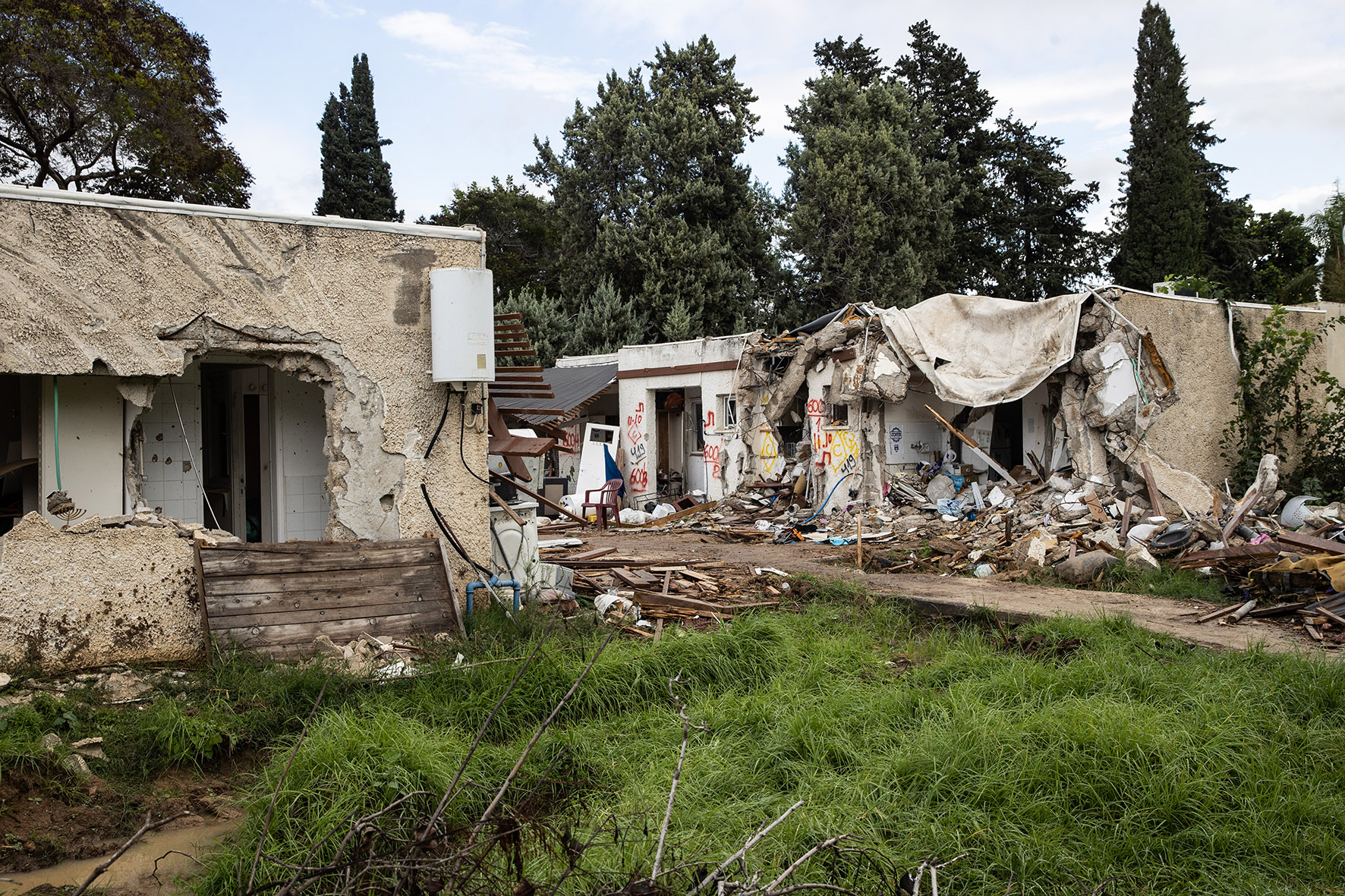
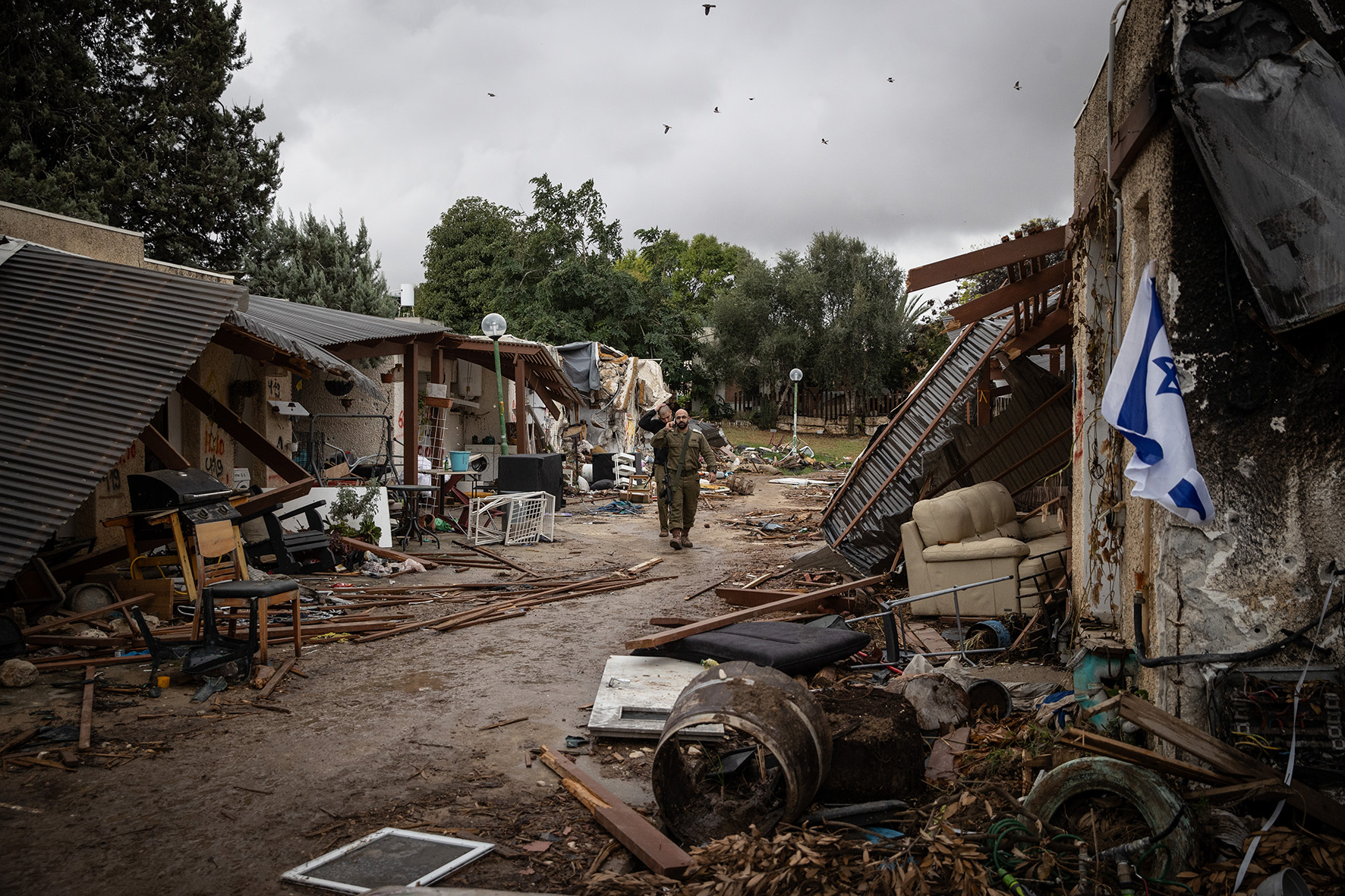
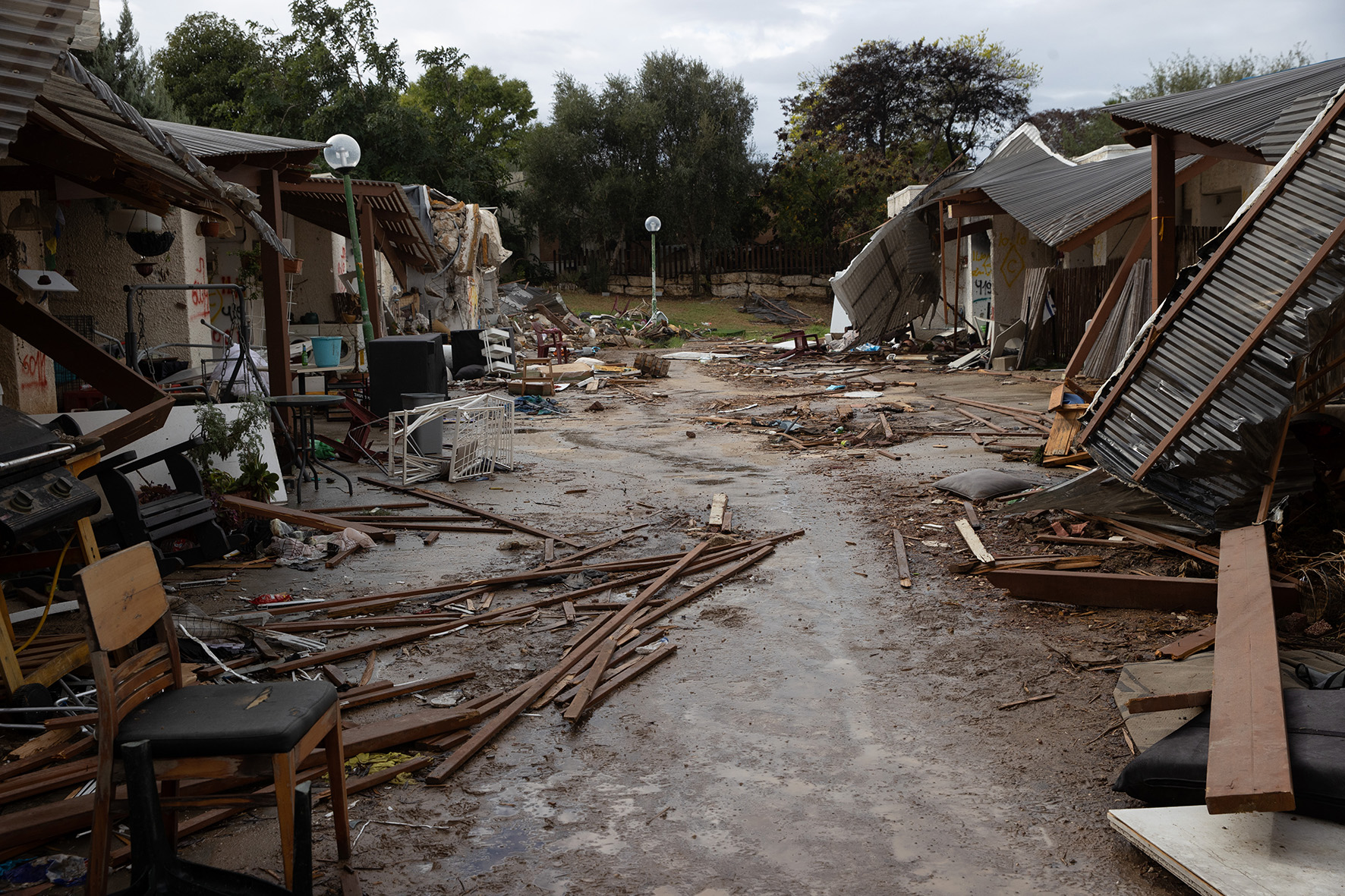
On October 7, approximately 70 Hamas terrorists attacked Kibbutz Kfar Aza, massacring residents, and leaving the community in ruins. The kibbutz was one of the first Israeli communities reached by Hamas militants when they launched the attack on the morning of Saturday, October 7. The terrorists arrived on motorcycles and a hang-glider. They rammed through the kibbutz’s fence, clearing the way for dozens of other gunmen to enter through the breach. Although the Kfar Aza community had a civil defense team, and the residents’ houses had safe rooms, they were not prepared for the wave of attackers who stormed the community armed with Kalashnikov rifles, rocket-propelled grenades and hand grenades. The militants went from house to house, indiscriminately murdering men, women, children and babies throughout the kibbutz – no one was too old, too young or too weak for slaughter. Hamas militants murdered 62 residents including 40 children. Many were found in their beds with their throats cut. The terrorists also attacked many homes with rocket-propelled-grenades. When they weren’t able to actually get the residents to come out of their homes, Hamas fighters set these houses on fire. Once the Hamas militants took over the kibbutz, hundreds of Gazans broke through the border fence and looted houses, stealing whatever they could.
The head of the Sha’ar Hanegev Regional Council, Ofir Lipstein, was a resident of Kibbutz Kfar Aza. He was killed defending his community in an exchange of fire with Hamas terrorists. Mayor Lipstein, like many of the kibbutz residents, had spent years doing numerous initiatives to foster peace between Jews and Palestinians living in Gaza. Many kibbutz residents were peace loving people, who had tried to improve the lives of Israelis and Palestinians, were murdered by Hamas. Hamas also took 17 hostages from Kibbutz Kfar Aza. “My family is in Gaza,” said Avichai Brodetz, a resident of the Kibbutz. The 42-year-old’s wife, Hagar, 40, was abducted and taken hostage with their daughters Ofri, 10; Yuval, 8; and Uriya, 4.
One survivor, Avidor Schwartzman, reported being awakened at about 6.30 am on Saturday morning, October 7, by the booming sounds of rockets and said that he and his wife and one-year old daughter moved to their safe room an hour later after receiving a kibbutz-wide text telling them it was dangerous to be outside. “…we were basically barricaded in for 21 hours until the army rescued us,” his wife, Keren Flash said. “We kept hearing shootings and gunfire and bombs and alarms, and we just didn’t know what was happening. Our worst nightmares.” They emerged to confront a scene of “pure hell”.
“There were bodies everywhere. Dead bodies everywhere,” the 38-year-old Schwartzman said. “We saw our little piece of paradise, our little piece of heaven, was totally burnt – burnt and with blood everywhere.”
It took the Israeli army half a day to reach the kibbutz and fighting continued there for three days. The Israel Defense Forces retook control of the kibbutz by 11 October 2023. Davidi Ben Zion, the deputy commander of Unit 71, the paratroopers who led the Israeli forces into Kfar Aza commented on the Israeli army’s impact. “Thank God we saved many lives, of many parents and children.”