
Nir Yitzhak

established

Regional Council

Population (Pre 7/10/2023)

Distance From The Gaza Border

Type Of Community

Economy
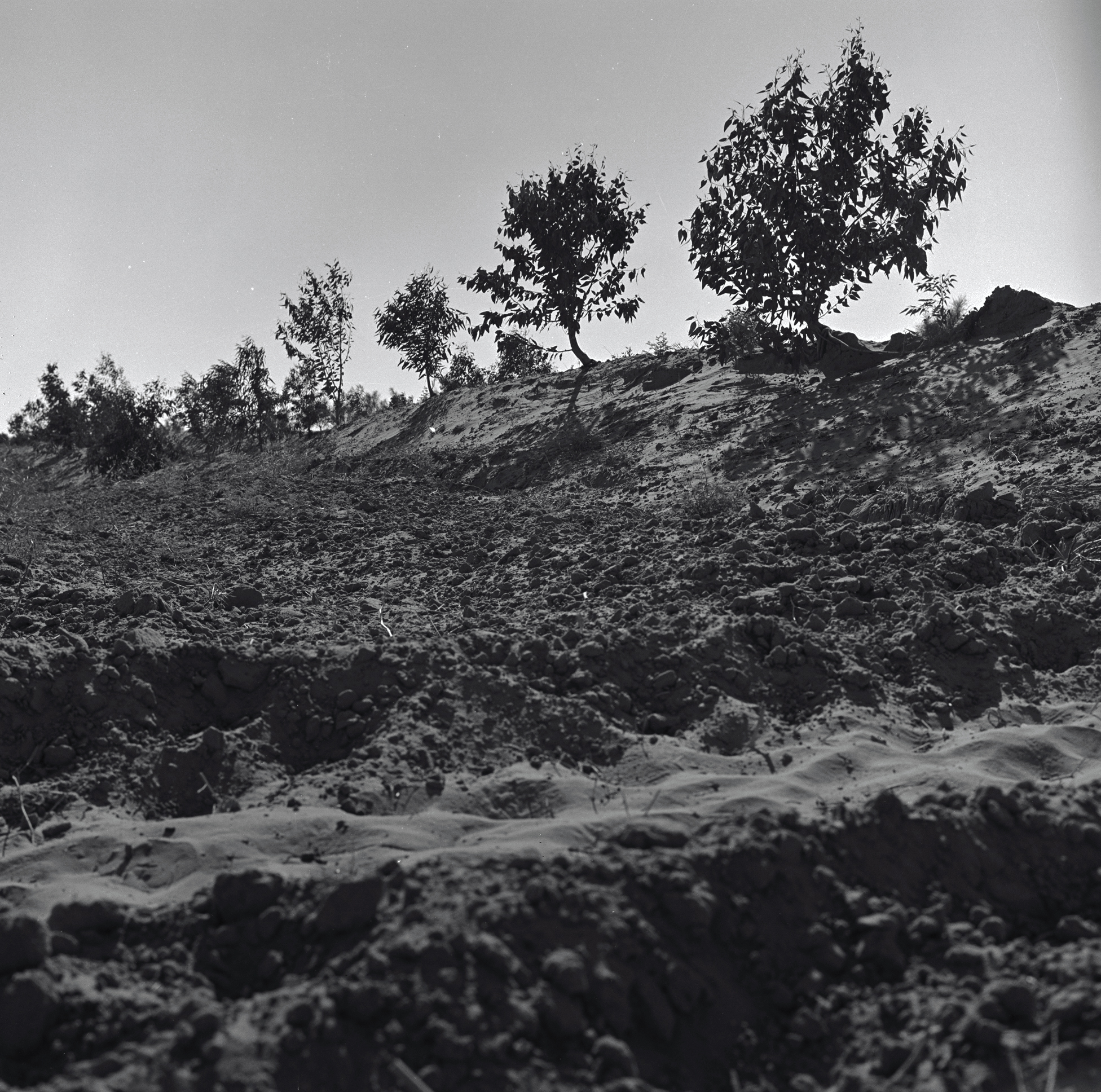
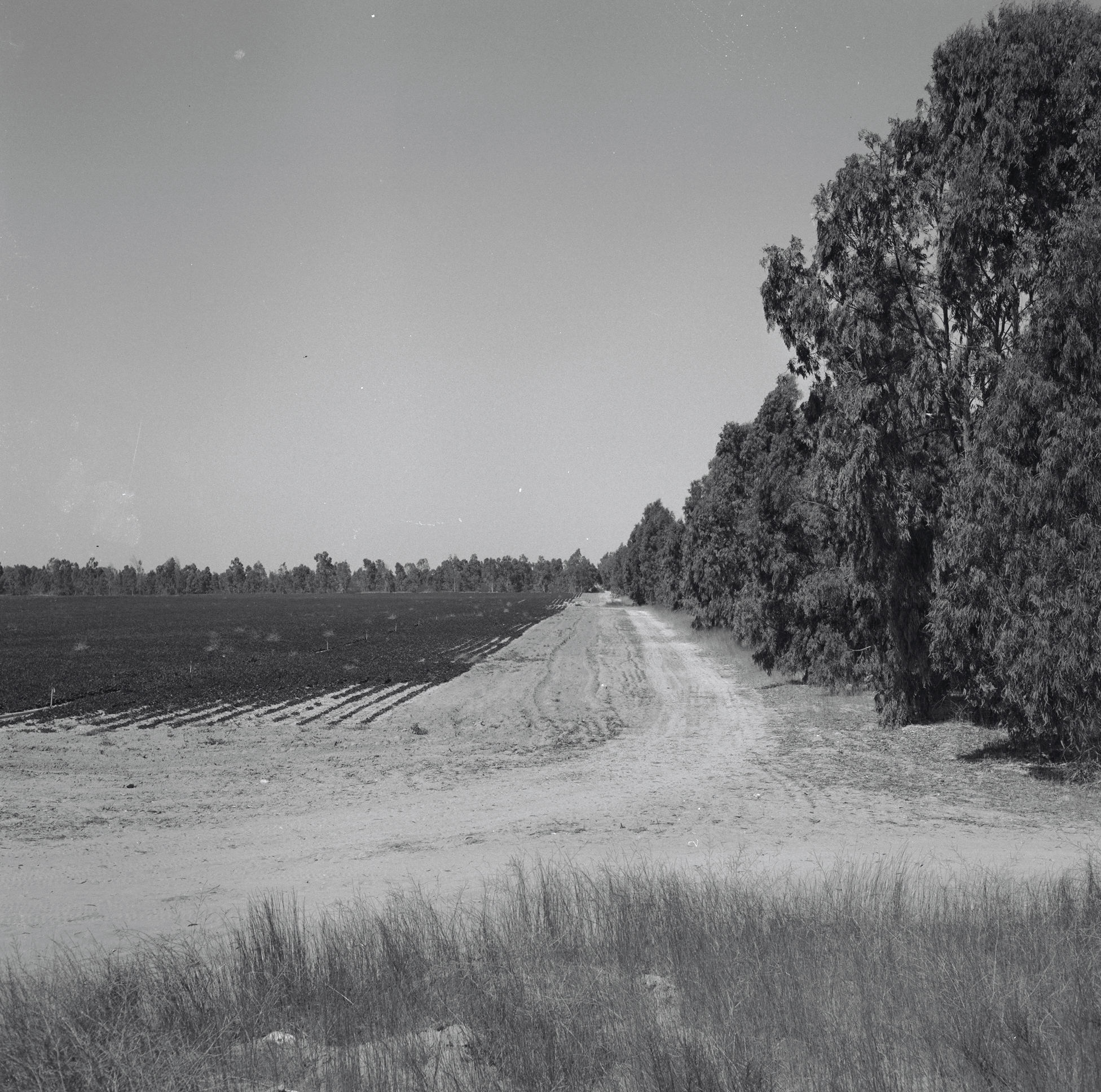
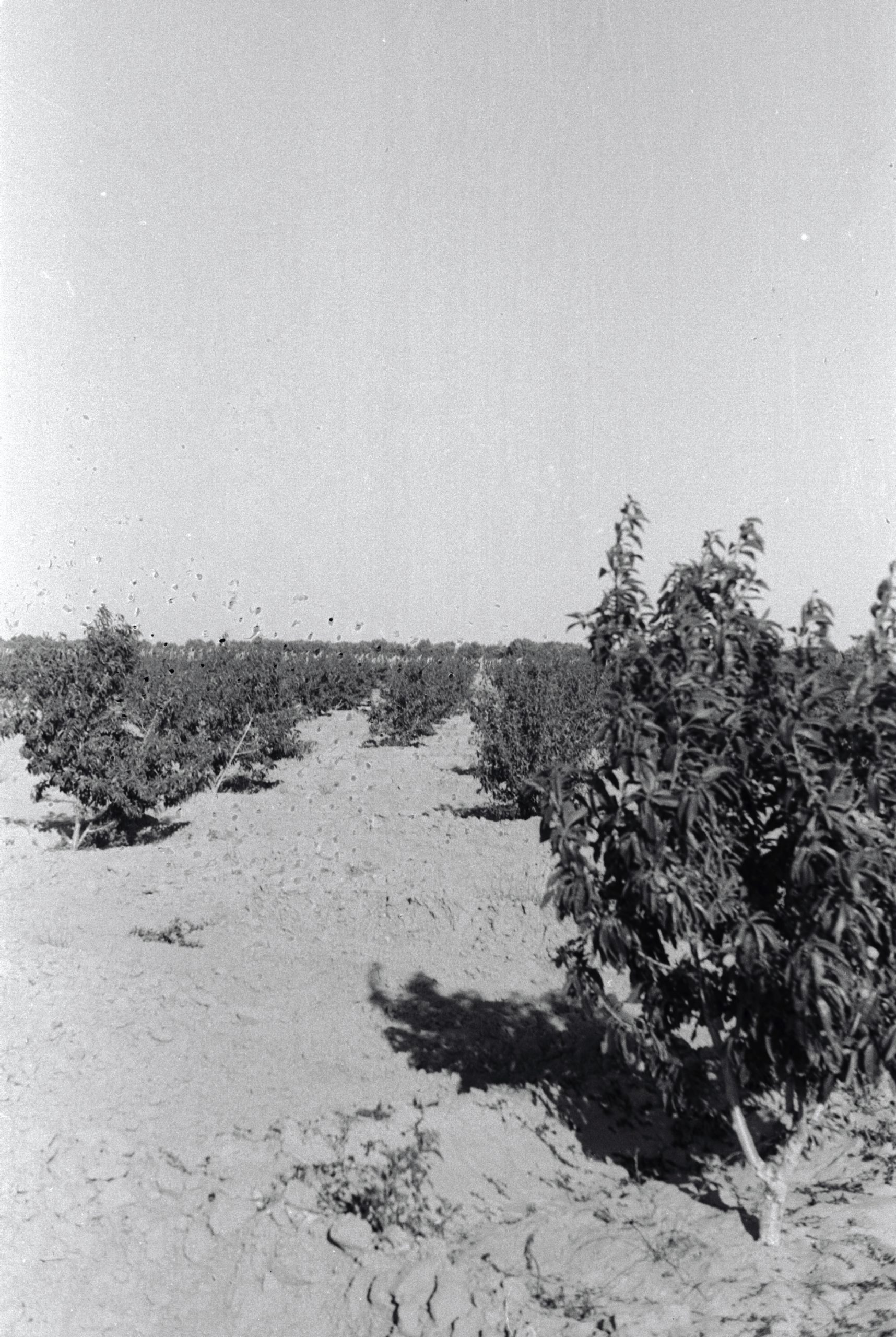
Kibbutz Nir Yitzhak was established on December 8, 1949, originally named “Dangor”, but renamed after the death of Yitzhak Sade, one of the founders of the Palmach and the IDF. The kibbutz elders love to recount that when they arrived, there was only one tree, a dirt road leading to it, and water occasionally arriving by trucks. Nobody believed back then that anything could be cultivated in the desert soil; and the security situation near the border with Egypt and the Gaza Strip did not make life easy for the residents. Eventually, Nir Yitzhak was transformed into a thriving kibbutz, teeming with life and flourishing agriculture, with grandchildren and great-grandchildren of the kibbutz founders living in a vibrant community where everyone knows each other.
The kibbutz had a high-quality and well-invested education system, in which the children of the kibbutz and the children of the surrounding area were educated, with community-social services such as: a swimming pool, a shopping mall, a laundry, a garage, a barber shop and more. The kibbutz prided itself on a vibrant cultural life, and rich and diverse leisure activities, and the residents celebrated all Israeli holidays in the best kibbutz tradition.
The community members work mainly in agricultural, growing potatoes, carrots, peanuts, tubers, radishes, and wheat.
KKL-JNF and Nir Yitzhak
The Events of October 7, 2023
Kibbutz Nir Yitzhak suffered many losses in the surprise attack by Hamas on October 7, when dozens of Hamas terrorists entered the area and went on a killing spree. The community’s civil defense team, made up of 11 volunteers, fought valiantly against dozens of terrorists and protected the residents while risking their lives. Three members of the team were killed in the fighting within the kibbutz and a 21-year-old IDF soldier was killed as part of the fighting at the Sufa Outpost close to the kibbutz. Another three members of the civil defense team are missing, assumed to have been taken hostage, along with Clara Marman, her partner Louis from Kibbutz Urim and three relatives who were staying with them. Clara, her sister, and niece were released after 53 days in Hamas captivity.
Janet Zweigbaum, spokeswoman for the kibbutz, recounted painfully after the attack and kidnapping, “Everyone here knows Clara, our legendary kindergarten teacher. There is not a kibbutz member who was not educated by her as a child in the last 40 years. Our hearts also ache for the four outside visitors, members of Clara’s family, that we don’t know what happened to them. They are gone.”
Janet relived the terrifying hours of horror and helplessness, “In real time it was a trauma that repeated itself time and time again, because you know where everyone lives. Someone writes ‘they are at my place’ – and you know how far it is from you or how close it is to someone else. You could really feel what everyone was going through at that moment. At some point, the terrorists left the place with everyone they managed to kidnap, then the looting citizens from Gaza arrived, continuing to burn, steal, and destroy. They stole computers and money, and any car they couldn’t start – they just burned.”
One of the terrorist squads infiltrated the Chemada factory in an attempt to murder and kidnap workers, while destroying and looting equipment, such as forklifts, which apparently, they later used to break through the fences of other kibbutzim and moshavim in the area.
Diana and Moshe Rosen, an older couple who had been living together in the kibbutz for fifty years miraculously managed to escape from the terrorists as they were being taken hostage. A squad of five terrorists broke into the house and shot into the lock of the safe room door as Moshe and Diana were trying to hold it shut. Their hands were injured and the attackers led them away them towards Gaza. At the border fence with Gaza, the couple gathered the courage to resist the abduction: “We dared to tell the terrorists that we are simply not going to Gaza. We told him that we are injured, bleeding and need to go to a hospital,” Moshe and Diana recount, “We told the terrorists: ‘We demand an ambulance, we need a doctor.’ Of course, the person who led the squad did not accept it. I tell him ‘Ambulance Hospital’ and he answered ‘Sierra, Gaza’.” Incredibly, he then told the couple in English “Okay, go.”
“We turned away and left. In those long seconds we were afraid he would shoot us. We didn’t turn around so as not to see what he was doing and if he crossed the fence. We arrived at what was our home, which actually no longer exists. There is no home.”
After 14 harrowing hours of assault, the fighters of the elite Lutra unit in charge of training all IDF units in the areas of counter-terrorism and sniping arrived at the kibbutz, and succeeded in killing or capturing all of the remaining terrorists.
Completely empty of members, there is no one to till the fields, milk and feed the cows and the other farm animals (poultry and livestock). There is no foreseeable return and it is not clear if the consequences of leaving and the damage caused to the economy and infrastructure will be repairable. However, the kibbutz surviving residents are resilient and trying to heal, posting on its Facebook page: “We are currently engaged in the rehabilitation of ourselves on a mental and social level, trying to embrace everyone who needs assistance. We have no doubt that the social resilience of the Nir Yitzhak community, with our solidarity and unity will be the strength that will allow us to recover when the time comes.”


