
Ein HaShlosha

established

Regional Council

Population (Pre 7/10/2023)

Distance From The Gaza Border

Type Of Community

Economy
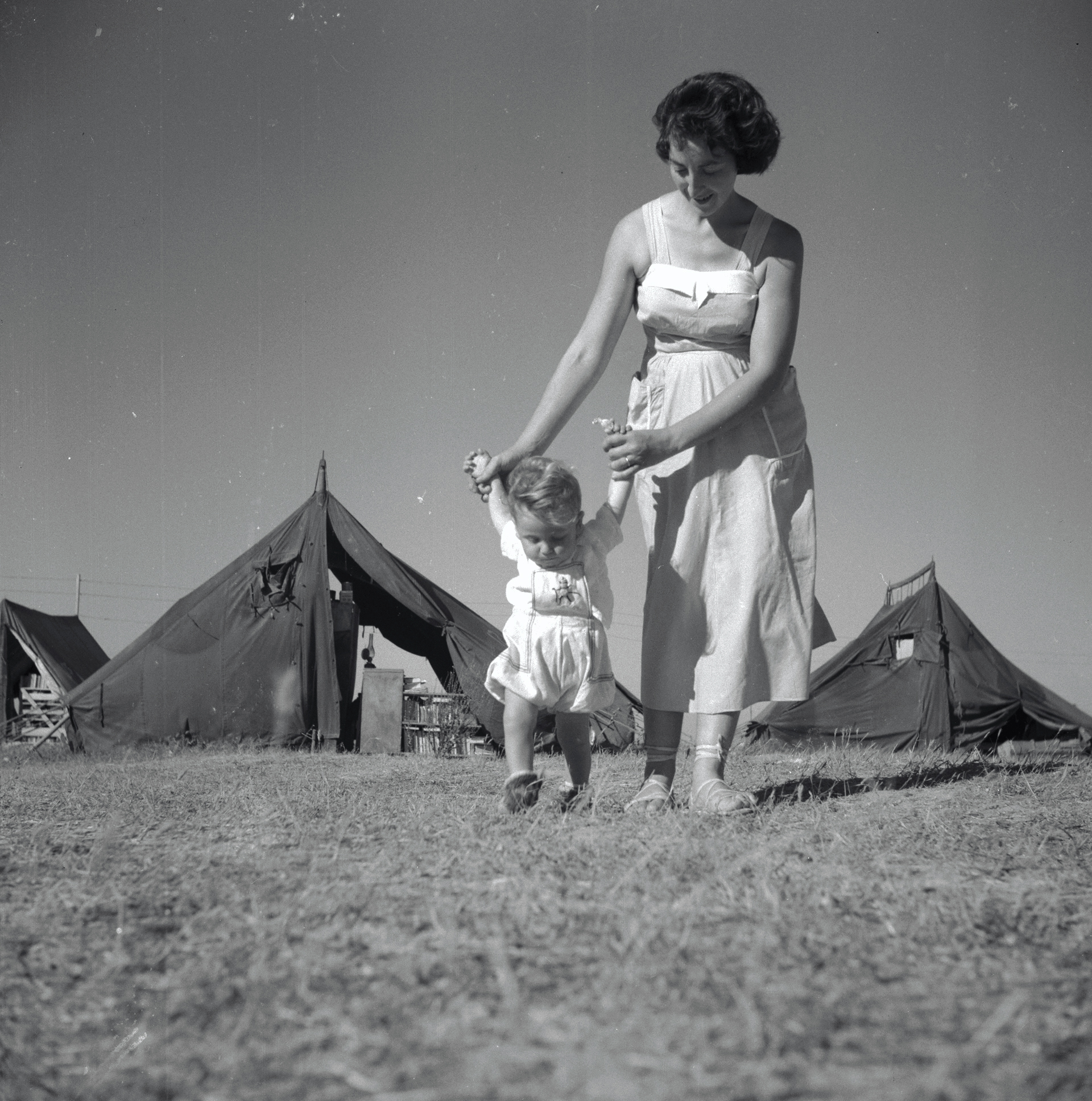
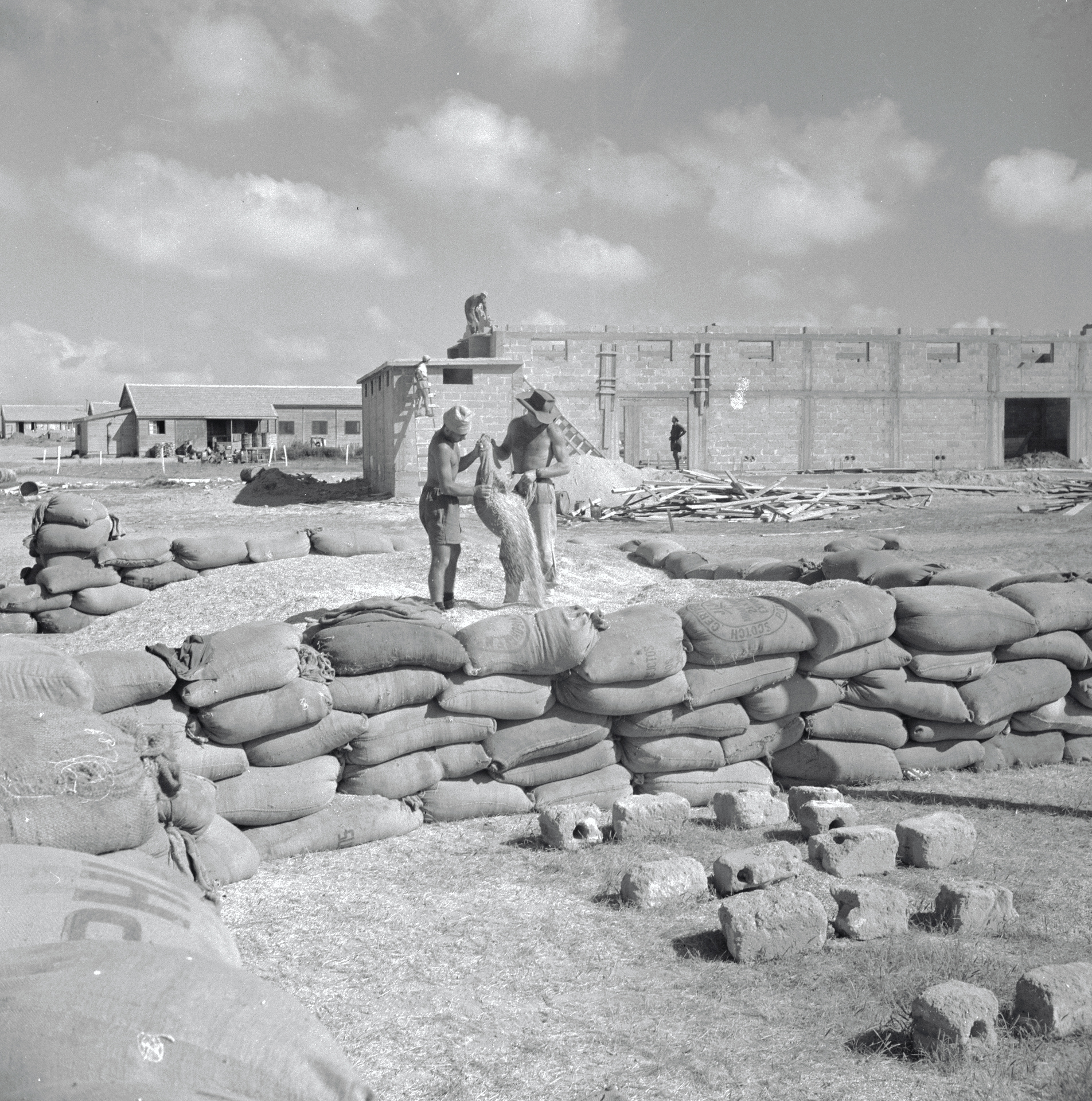
Kibbutz Ein HaShlosha (Hebrew meaning “Spring of the Three“), was named in memory of three of its founding members who were killed during the 1948 Israeli War of Independence. It was established in 1950 by the The Zionist Youth group (HaNoar HaTzioni) from South America.
In its early years, the kibbutz suffered from harassment by infiltrators and bombardment by the Egyptian army. On 15 January 2008, an Ecuadorian volunteer, Carlos Chavez, was shot and killed by a Hamas sniper while working on the kibbutz. The kibbutz continued to be hit regularly by Palestinian gunfire during the 2008 Gaza–Israel conflict, Operation “Cast Lead”. The IDF discovered a terrorist tunnel in October 2013, which was dug from the south of the Gaza Strip to the water reservoir near the kibbutz, about a kilometer long, the purpose of which was to abduct Israeli citizens.
Kibbutz Ein HaShlosha has the distinction of having the largest number of rockets fall within its territory during Operation Pillar of Defense (2012), and the second largest number of rockets during Operation Protective Edge (2014) in all of the country. Its close proximity to the Gaza Strip means that although the kibbutz has a warning alarm system (“red alert”), the residents only have about 5 seconds to find shelter.
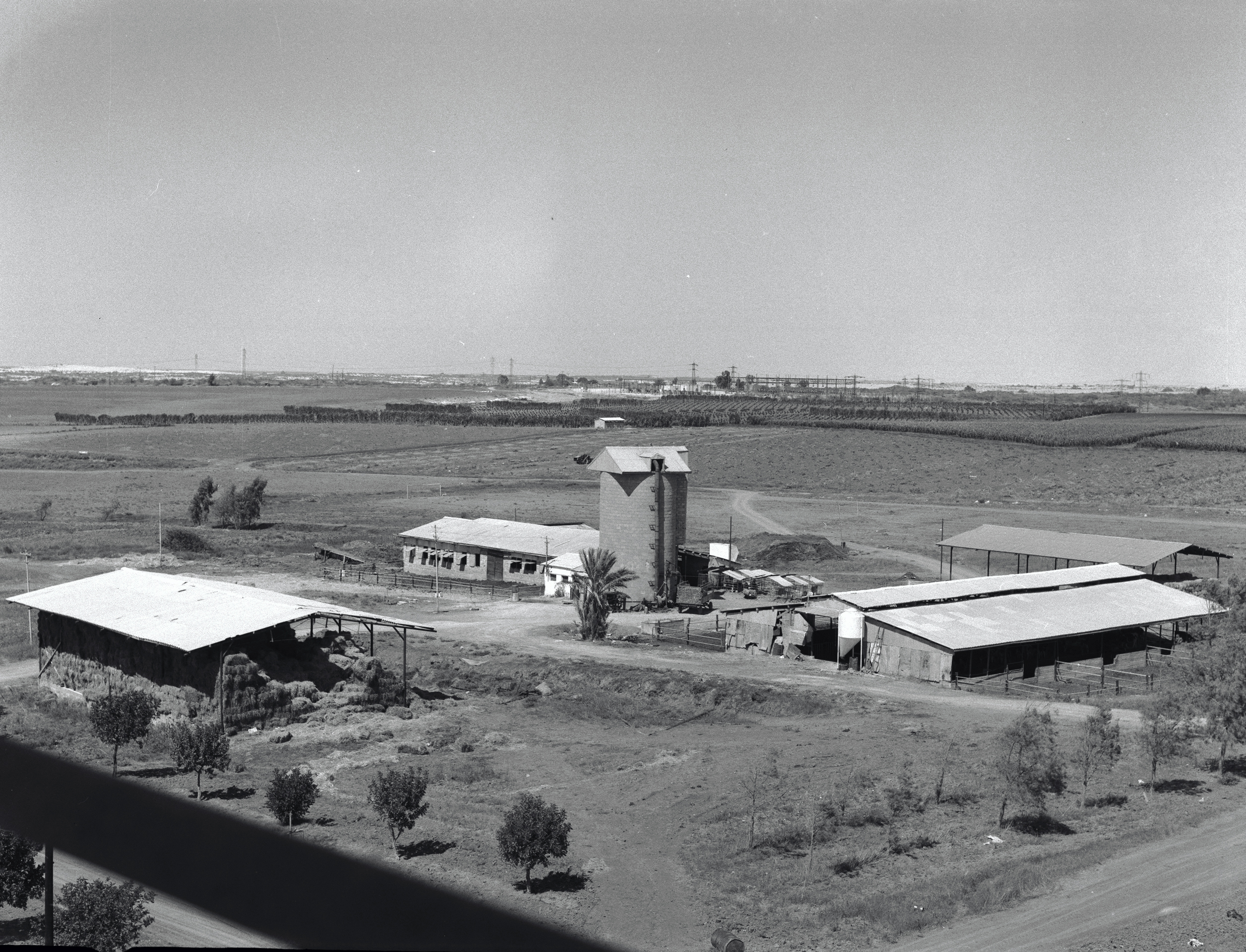
Despite these challenges, Ein HaShlosha thrived, and families flourished, with many residents expressing their strong attachment to the community. The kibbutz is surrounded by a beautiful landscape of green fields and seasonal blossoms. It was in the process of regenerating to transform the kibbutz into a community that runs on economic independence, with shared assets and a stable industrial and agricultural economy, an economic system designed to sustain a community and implement decisions in a democratic manner and with mutual aid and benefit. Committees concerning community issues such as demographic growth, education, health and welfare, culture and security were active. The kibbutz had services such as: a playground, tennis courts, basketball court and soccer field, a pool, park, grocery store, friends club, regional clinic, synagogue, and kindergartens, youth center, and a center for the elderly. On the kibbutz there was a boutique brewery, a home bakery, and a fashion boutique (inside the General Store). The residents relied mostly on agriculture, farming turkey and dairy cows, growing wheat, potatoes, sunflowers, carrots and paprika. Another facet of income was the Klasrika factory for office equipment.
In its pitch to attract new members, Kibbutz Ein HaSholsha offered potential residents the opportunity to “participate in a Zionist act, to settle a place while doing something meaningful and valuable, taking an active part in leading growth processes and building a community, a pastoral place with high quality education for children.” As a kibbutz founded by immigrants from South America, the kibbutz was one of the communities where many visitors from South America came to visit.
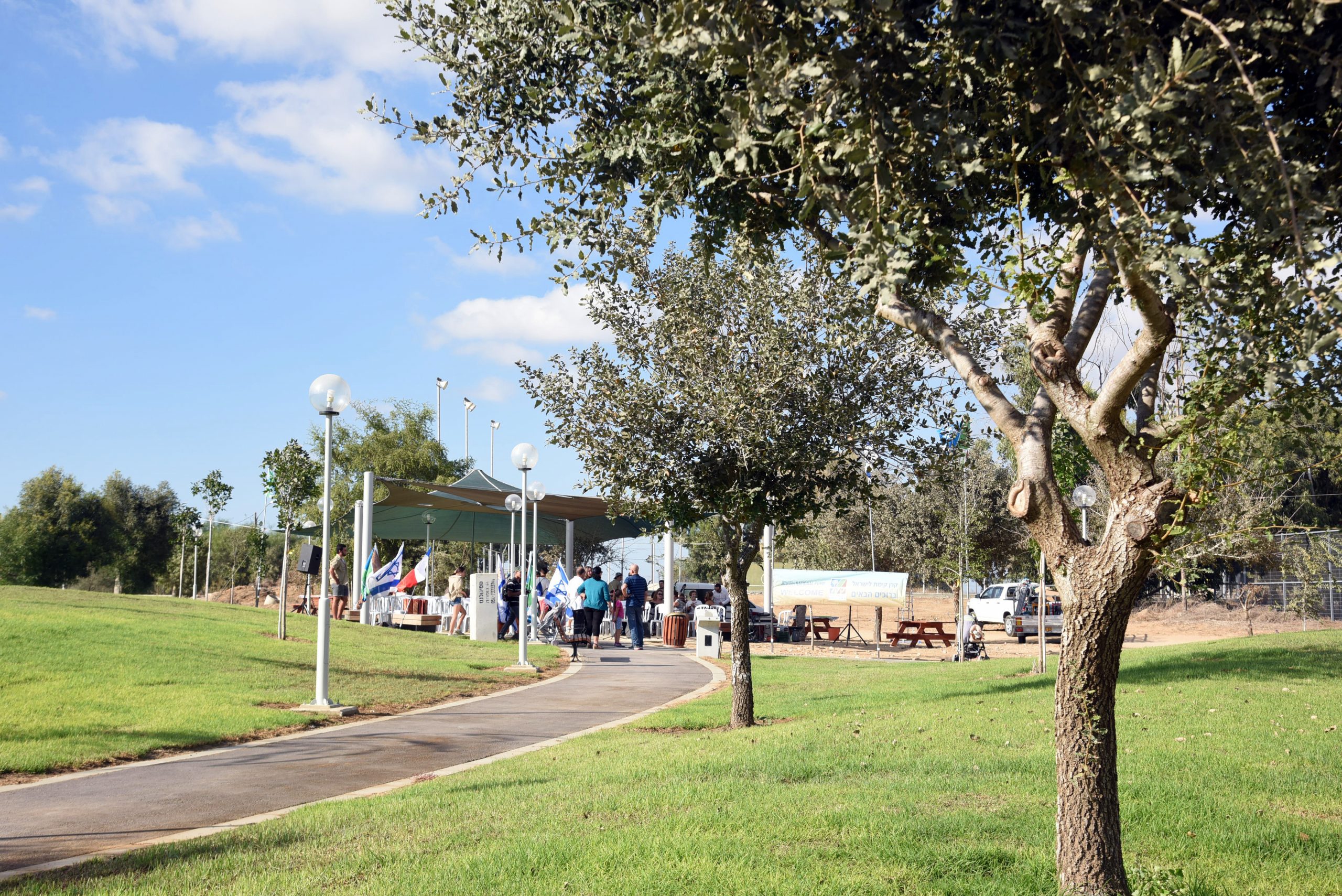
KKL-JNF and Kibbutz Ein HaShlosha
The Events of October 7, 2023
On October 7, Hamas terrorists invaded the kibbutz, as part of a violent surprise attack on Israel. The terrorists looted and burned many houses and killed four civilian kibbutz members. 80-year-old Silvia Marnasky, originally from Argentinian, perished after her home was set on fire and she was unable to escape. The head of the civil defense team, Rami Negbi, was killed in the fighting. A 63-year-old grandmother, Talia Marcel was riddle with bullets as she was taking cookies to her grandchildren. Noa Glazberg, a 39 year old Israeli-Chilean woman was shot 8 times. The standoff between the attackers and the residents’ civil defense team lasted six hours. The damage inflicted upon the kibbutz’s residents, particularly the children, and the devastation to their buildings and infrastructure are incalculable.
The terrorists disabled the security cameras and set houses on fire, attempting to force the occupants outside for a deadly ambush. Innocent families were targeted by Hamas terrorists, including the elderly, babies, children, women, and men. One survivor relates what their family went through: “My worst fears were realized as they entered our home. My children, in those terrifying hours, heard a group of terrorists inside our house, shouting and causing chaos as they ransacked our home. They also witnessed their father, standing in front of the security room door in his underwear, attempting to keep the terrorists out. For hours, my three children and their mother lay in silence, while we engaged in frantic text messages with people around the world. Three hours after the terrorists infiltrated our house, the army finally arrived and stopped them just outside the safe room door.”
81-year Jacqueline Gliksman retells her harrowing story from the attack when the terrorists broke into her home, opened her safe room door and asked her if she had a gun. Others broke the shutters of her the safe room and asked her for money. “They took my mobile phone, tablet and then left. I could smell petrol. They were pouring petrol over the house. I opened the metal window, which is extremely heavy, jumped through it in my pajamas and started running barefoot through the kibbutz. My house was on fire, and I saw my friend’s house on fire. I knew the person inside it was dead. Burned alive. I ran to the center of the kibbutz where I found the security chief’s body lying on the ground. I finally found refuge in another kibbutz member’s house until we were rescued by the IDF.”
Remarkably, 30 people, consisting of 16 Israeli residents and 14 Thai agricultural workers, managed to hide from the attackers in a bomb shelter, but were cut off from communication. They were rescued three days later.
The survivors have been evacuated and remain uncertain about when they can return. In the interim, five courageous residents have temporarily relocated to a nearby military post, with daily military protection provided so that they could continue to milk the kibbutz’s remaining cows. The community’s cows would also suffer without their dedication.
https://en.wikipedia.org/wiki/Ein_HaShlosha
https://en.wikipedia.org/wiki/Ein_HaShlosha_massacre
https://my.israelgives.org/en/fundme/EinHashlosha
https://www.youtube.com/watch?v=8V5kVQXUX_A
https://www.homee.co.il/עין-השלושה/
https://www.israelhayom.co.il/news/local/article/14780863


