Alumim

established

Regional Council

Population (Pre 7/10/2023)

Distance From The Gaza Border

Type Of Community

Economy
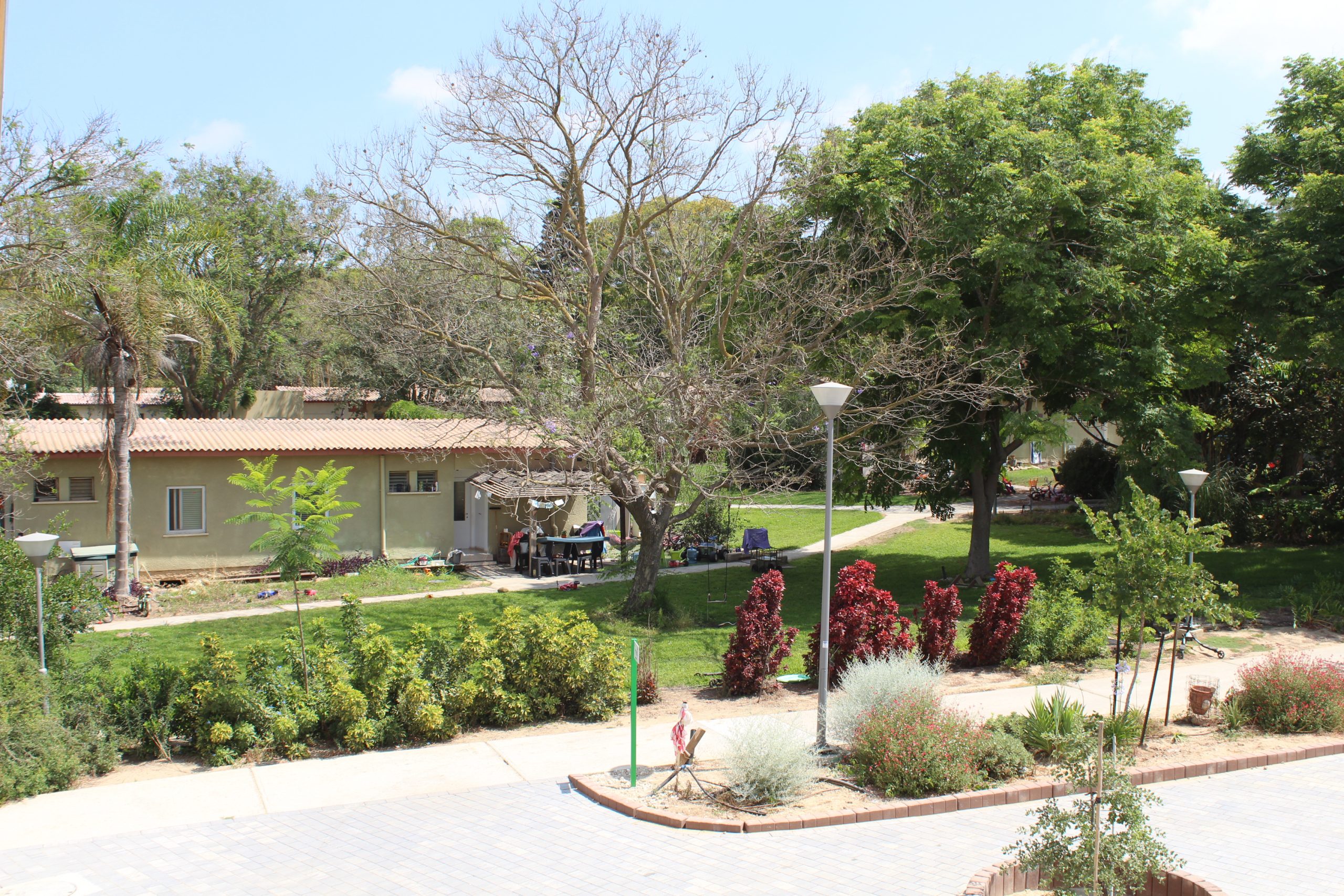
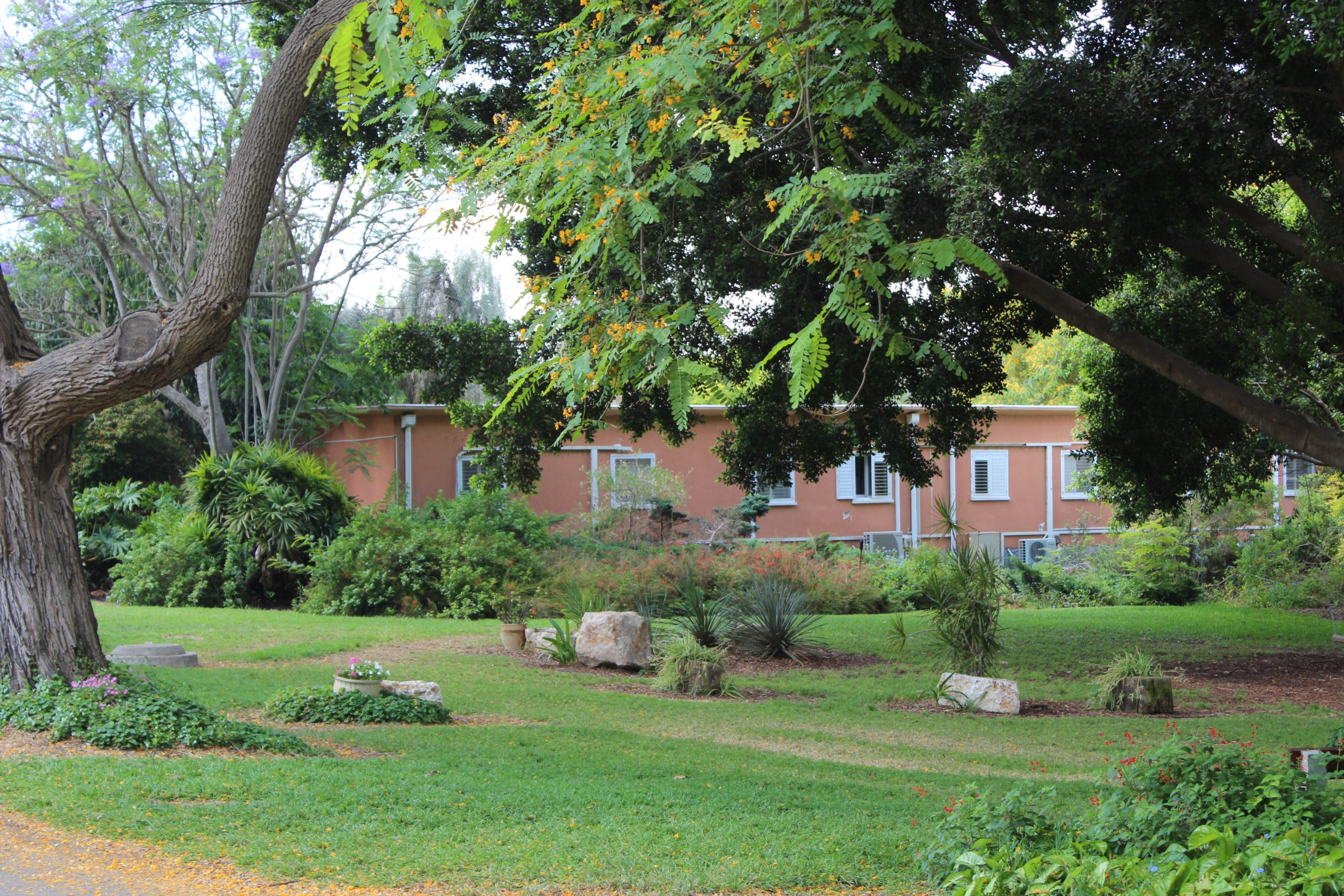
Alumim (Hebrew for “youth”) is a religious kibbutz that was initiated in 1966 by two Nahal groups who were graduates of the Bnei Akiva movement. Its land had belonged to the Religious Kibbutz Movement since the 1940s. Over the years other Nahal groups joined the kibbutz, as well as groups of immigrants from World B’nei Akiva. Most of the kibbutz members are “sabras” (born in Israel), but there are also a number immigrants from the United Kingdom, the United States, and Australia. Approximately 20% of the kibbutz members immigrated from the United Kingdom. Alumim has maintained the classic kibbutz collective life style based on the ideology “from each according to his abilities, to each according to his needs”. Each member receives an allowance based on his or her needs (size of family, age of children, etc.) from the kibbutz regardless of the income they have generated for the kibbutz. All income generated by the various branches of the kibbutz and all members’ wages are deposited in the kibbutz’s central account. Unlike many of the other kibbutzim, there has been almost no privatization on Alumim. Communal chores such as serving in the dining hall, guard duty at night, milking the cows on the weekend are done on a rotating basis.
A central focus of Alumim’s communal life is the synagogue and religious studies center (bet midrash) which has an impressive library. Shabbat, festival and daily services are held in the synagogue and there is a full schedule of classes given by both the rabbi of the kibbutz and kibbutz members. Kibbutz Alumim places great importance on tzedakah (charitable giving) and social awareness. Alumim residents are involved both communally and individually in numerous volunteer projects supporting handicapped children, bereaved families, victims of violence, cancer patients, economically disadvantaged families, and many more. Additionally, the kibbutz has a pre-military preparatory school for boys and girls called the “Yonatan Preparatory School”.
Alumim is a successful kibbutz whose stable economy is largely based on agriculture. Alumim grows potatoes, carrots, sweet potatoes, peppers, jojoba, avocados, citrus fruit, wheat and other cereal crops. They raise chickens for meat and cows for milk. They also sort and pack produce.
The kibbutz has also developed service industries. They have a technology company, Alutech, which uses computer automation technology to design, develop and manage projects in Israel and abroad. They also operate a guest house, a garage servicing cars and tractors, and a dental clinic. Additionally, Alumim members are able to pursue careers in their professions and nurture individual business initiatives.
KKL-JNF and Kibbutz Alumim
The Events of October 7, 2023
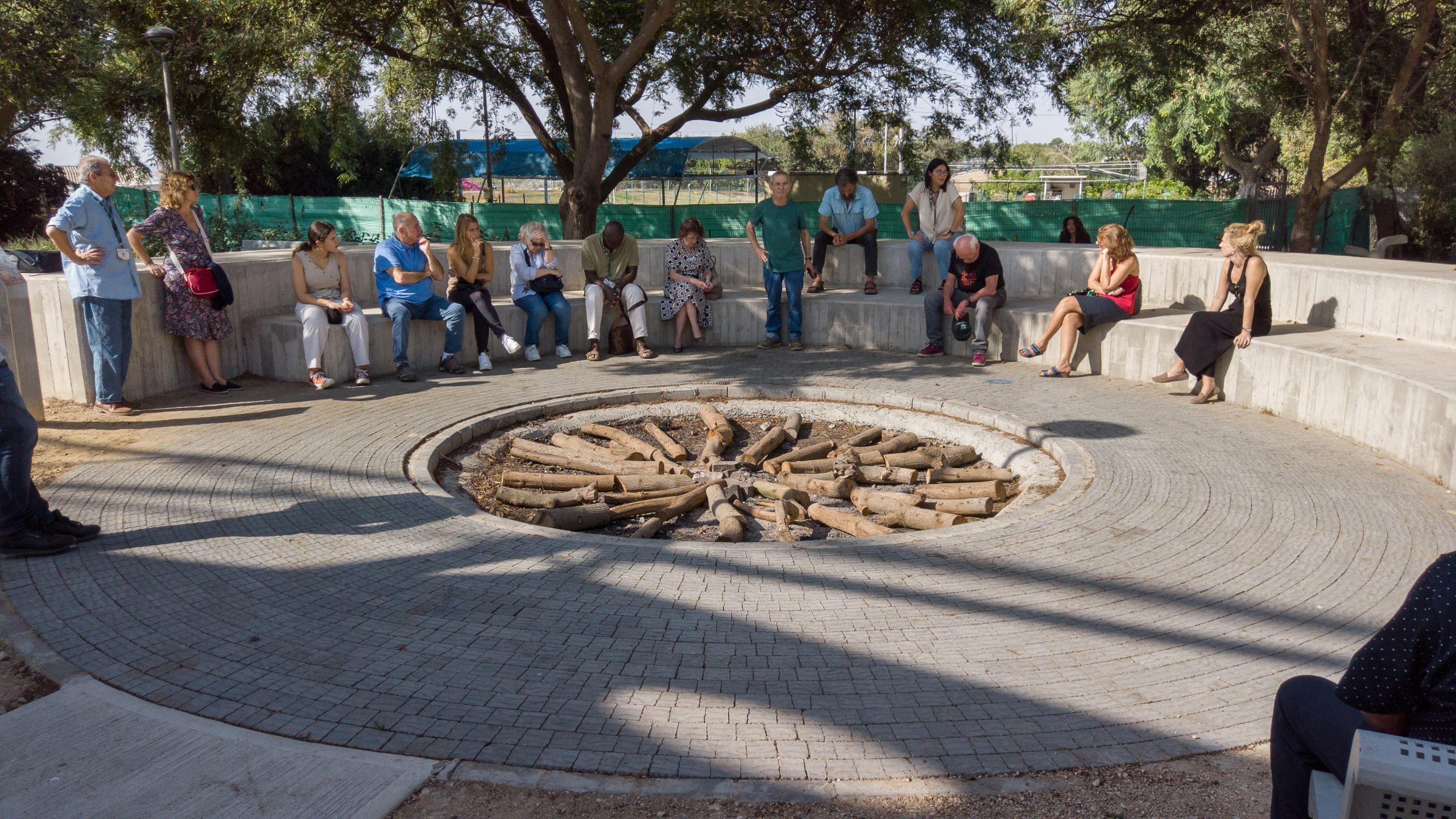
Approximately 30 Hamas militants infiltrated Kibbutz Alumim and killed 19 foreign workers from Thailand and Nepal, and kidnapped 8 people before the kibbutz’s civil defense team fought back and was able to stop the terrorists from doing additional harm. The first group of terrorists arrived on motorbikes through the kibbutz’s back gate — which faces the Gaza border. They drove through the kibbutz to the main gate and opened fire on everybody driving past on the main road including people fleeing from the massacre unfolding at the nearby outdoor music festival. Additional terror cells invaded the kibbutz later. The kibbutz’s civil defense team was able to access its stored weapons and managed to hold off many of the killers. Two brothers who came from Beer Sheva to fight the infiltrators were also killed in the clashes. Residents were told to stay in their safe rooms throughout Saturday and into Sunday morning.
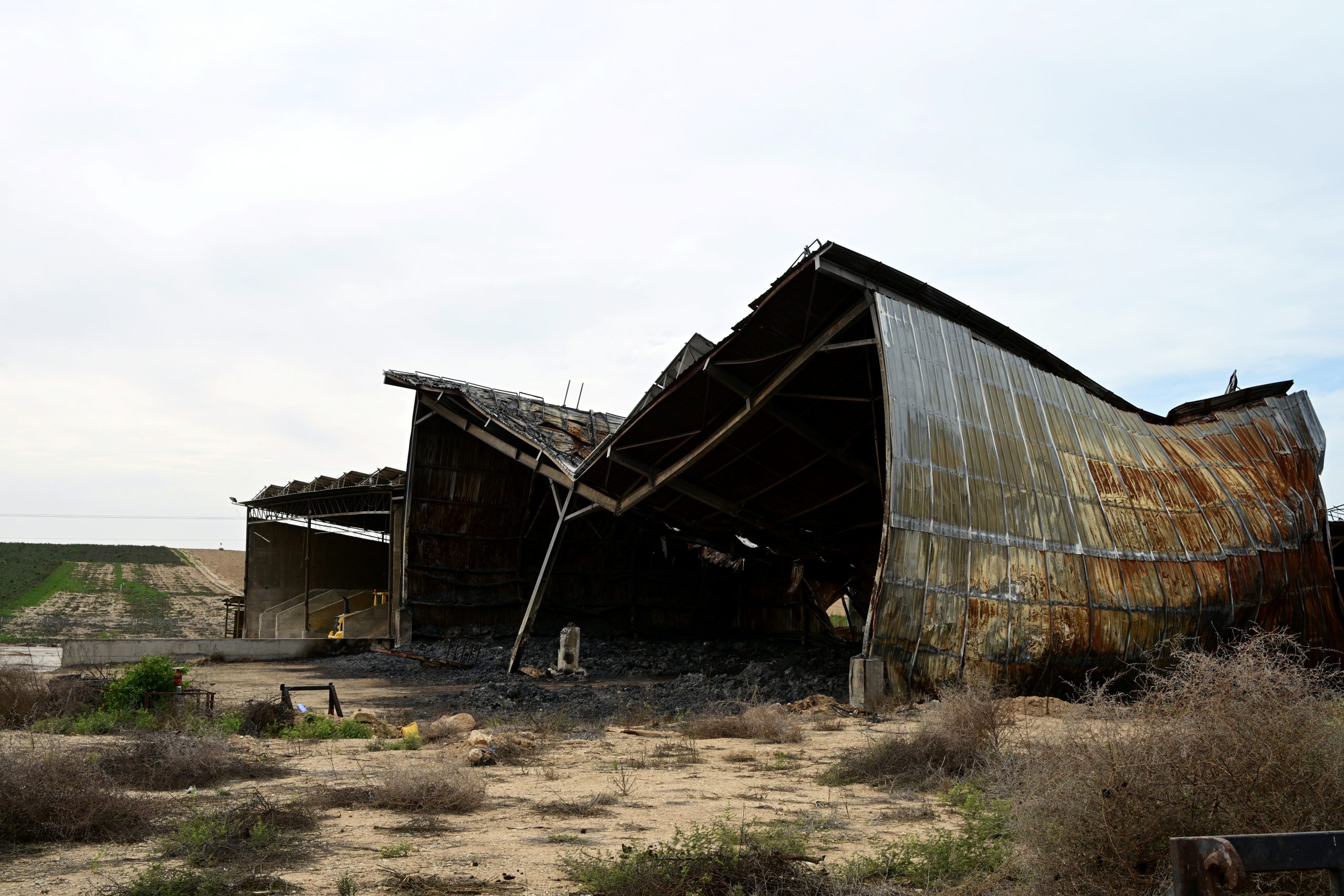
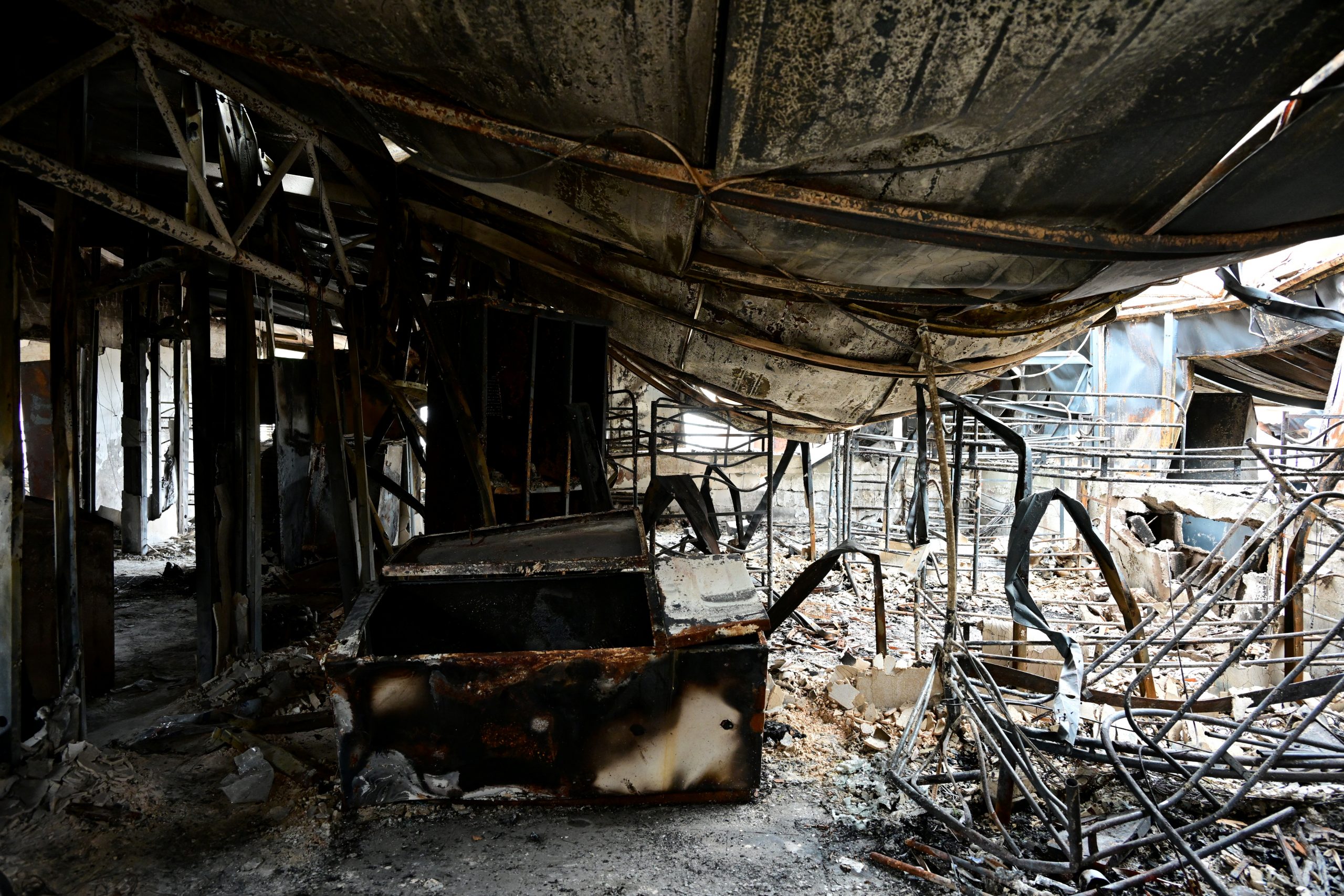
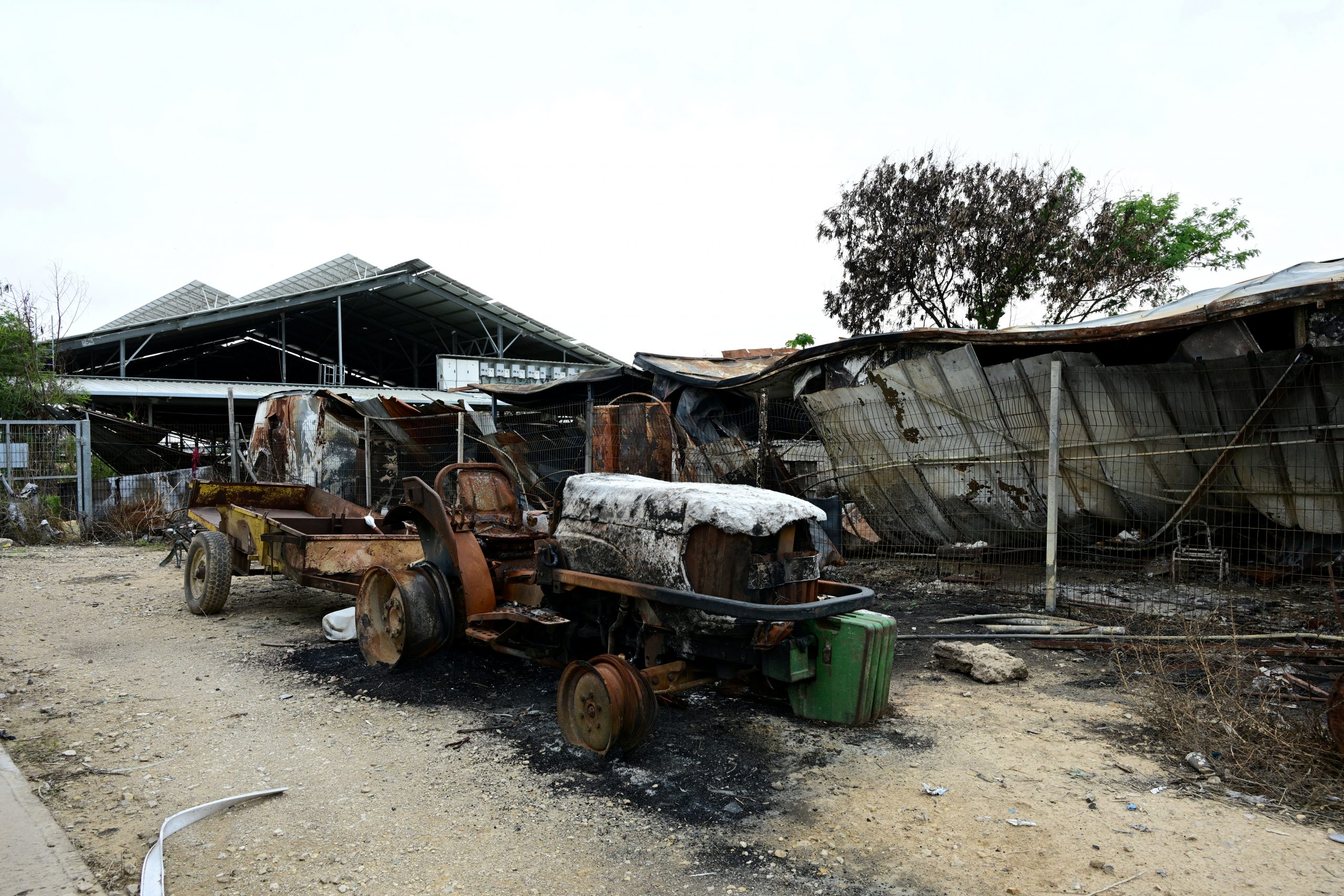
Two huge barns which were full of hay were set on fire by the terrorists that morning and were still burning two weeks later. Fifteen of the 730 cows died, including a couple who were caught in the crossfire. Battles were fought on the other side of the cow’s enclosure. The cows had no food from that first Saturday until the following Wednesday.
Some hours into the nightmare, paratroopers arrived by helicopter. Lots of special forces came, from Sayeret Matkal and Yahalom. All of the Hamas terrorists were killed. Some members of the civil defense team were injured, but no kibbutz members were killed. Journalists from The Guardian and The Times of Israel interviewed two members of the Kibbutz, a married couple, Esther and Stevie Marcus. Esther spoke about the kibbutz workers. “Our workers were massacred, gunned down,” she said. “It was just horrific.” She also discussed the experience of hiding in a safe room with her family. “’Gunfire raged and rockets flew overhead as the family attempted to keep the two babies quiet,’ she said.” “We turned off the lights, we had no food, some people had to use the safe rooms as bathrooms. The whole time we heard shooting outside.” Journalist David Horovitz spoke with Stevie Marcus about rebuilding the kibbutz and the future. “Quietly and unintentionally inspiring, Stevie talks about this barn that’ll need to be rebuilt, and that office. It seems clear to me, from the way he speaks, that, for him, life at Kibbutz Alumim will certainly go on.”